


In an age of sleek new openings and carbon-copy design hotels, it’s the older walls that feel most alive. Across the United Kingdom, historic inns, manor houses and coastal retreats are writing new chapters without losing their past. Whether it’s a centuries-old pub reborn as a foodie hideaway or a Georgian home turned boutique guesthouse, these are places where time lingers — and comfort comes with character.
England: Inns with history and heart
The King’s Head Inn, Bledington, Cotswolds
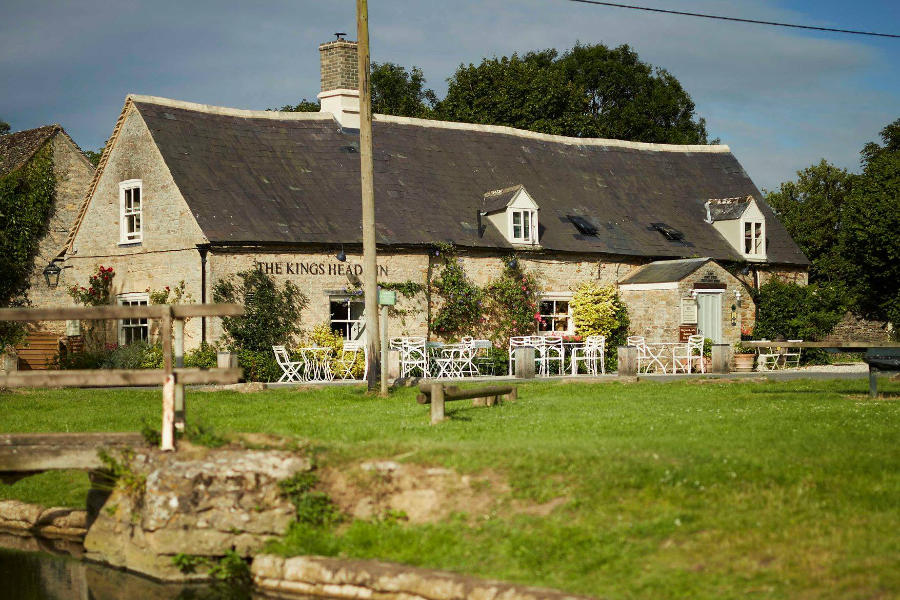
If ever there were a scene to bottle English village life, Bledington’s green would be it: stone cottages, ducks on the brook, the gentle clang of the church bell. The King’s Head Inn sits at its centre, a honey-hued landmark offering log fires, local ales and rooms that marry simplicity with style. Owners Archie and Nicola Orr-Ewing have restored its reputation as one of the Cotswolds’ most beloved dining pubs, celebrating produce from nearby farms. After a long walk on the Oxfordshire Way, there’s no finer sight than the inn glowing gold in the evening light.
Shibden Mill Inn, Halifax, West Yorkshire
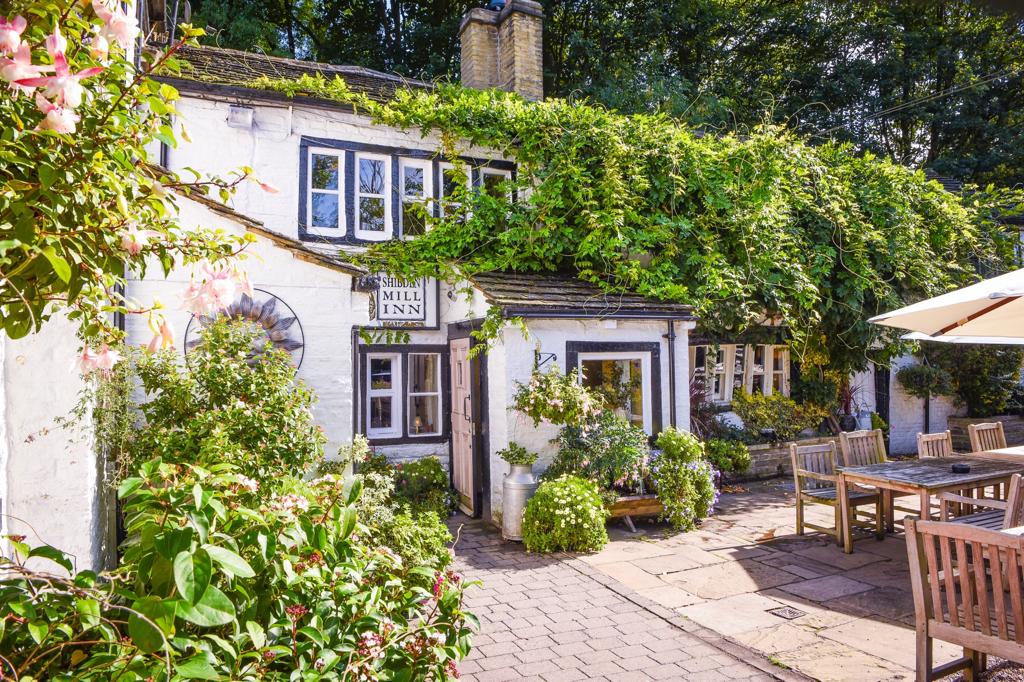
Hidden down a wooded lane in the Shibden Valley, this 17th-century corn mill has perfected the art of the warm northern welcome. Shibden Mill Inn pairs old beams and low ceilings with gentle refinement: crisp linens, local artworks and quietly confident cooking. Its connection to place runs deep — the moorland paths of West Yorkshire are right outside, while nearby Shibden Hall tells the story of Anne Lister, the remarkable 19th-century diarist whose life has inspired modern audiences. Here, history feels close enough to touch.
The Brisley Bell, Norfolk
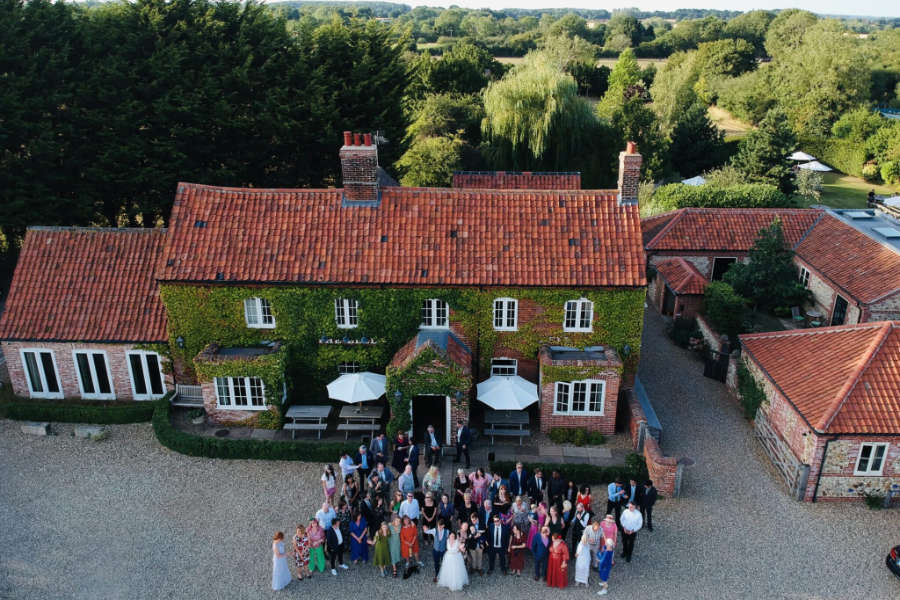
On a crossroads north of Dereham, The Brisley Bell looks like a textbook country pub: whitewashed brick, woodburning fires, friendly chatter at the bar. Yet everything has been thoughtfully tuned — from Norfolk cheeses and Cromer crab on the menu to light-filled garden rooms tucked behind the main building. Owners Marcus Seaman and Amelia Nicholsson have created a spot where locals linger and travellers return. It’s the kind of inn that makes a weekend away feel both indulgent and reassuringly familiar.
The Hundred House, Norton, Shropshire
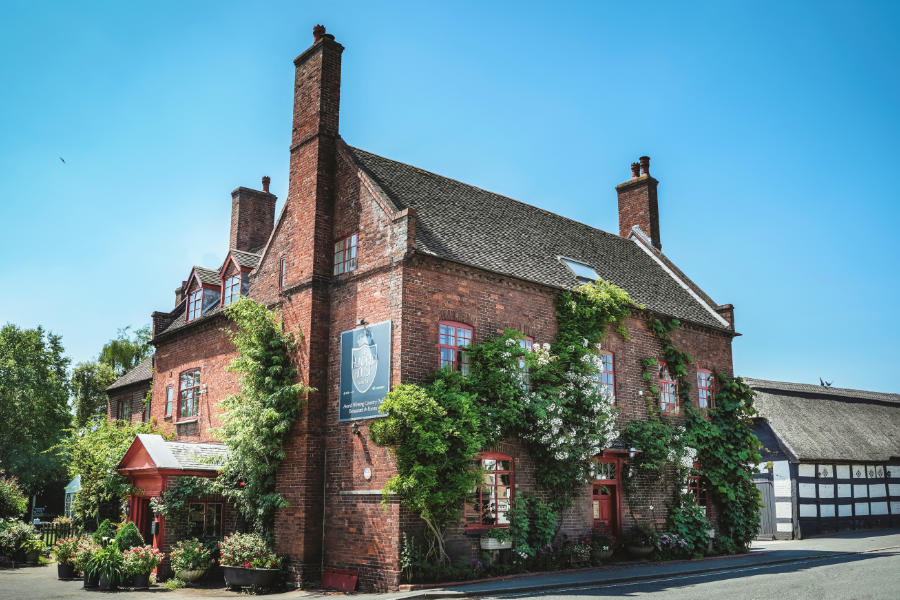
In the Shropshire countryside, The Hundred House charms with its gentle eccentricity — beams, blooms and the hum of conversation from a dining room that champions its own kitchen garden. The Phillips family have tended it for decades, cultivating an atmosphere that’s less hotel, more home with exceptional cooking. Ludlow’s markets and Ironbridge’s industrial heritage are within reach, yet you could easily spend the day wandering the garden paths and sampling the herb-infused dishes grown metres from your table.
The Inn at Whitewell, Clitheroe, Lancashire
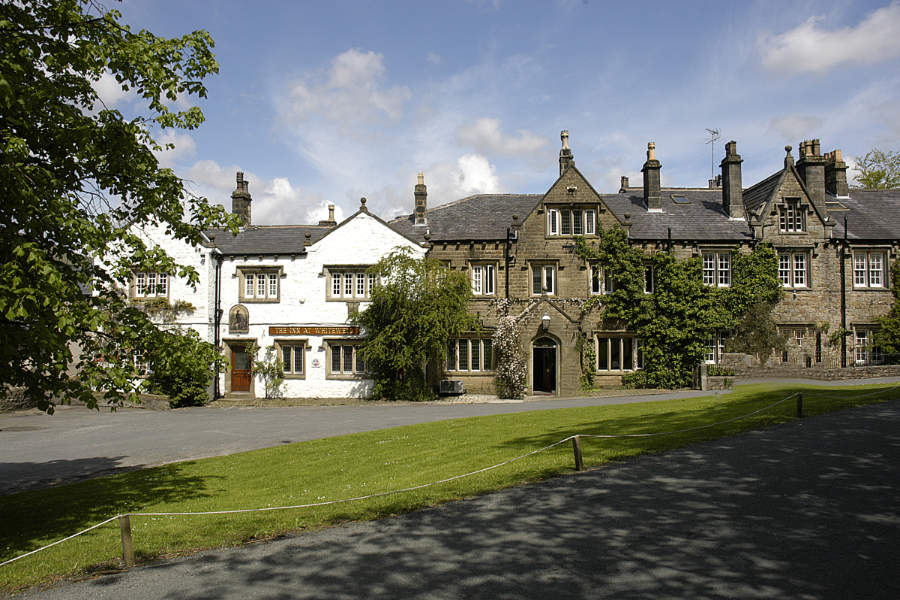
To many, The Inn at Whitewell is the definitive English inn. Set above the River Hodder amid the wild beauty of the Forest of Bowland, it’s a jumble of stone buildings with deep armchairs, roaring fires and the comforting rhythm of country life. Rooms are big and individual, food is generous and honest, and the wine list is famously good. The Tolkien Trail passes nearby, and the hills seem to begin at the doorstep. For all its accolades, Whitewell remains what it’s always been: a place to rest, eat well and feel far from the rush of things.
The Rose & Crown, Romaldkirk, Teesdale (County Durham)
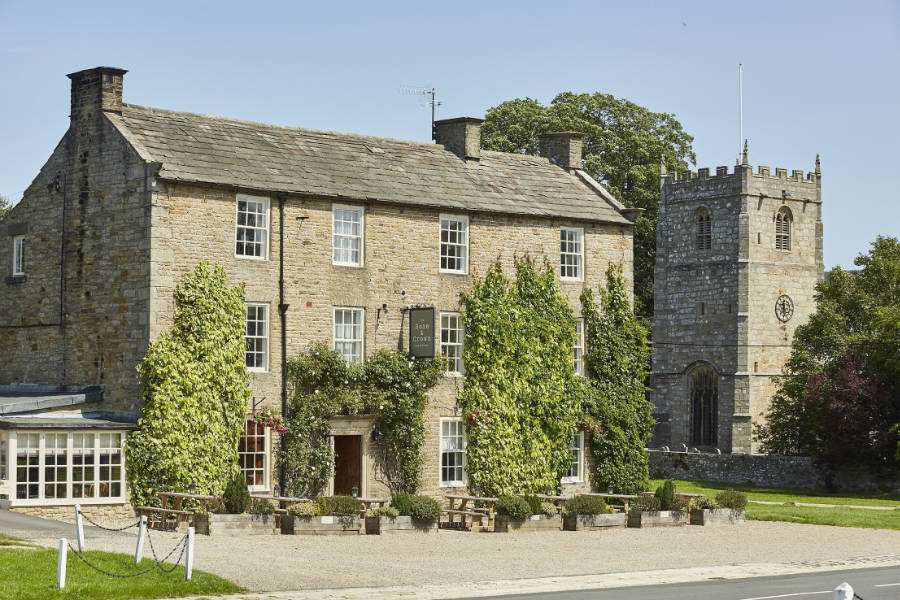
In picture-postcard Romaldkirk, where three greens meet beside a Saxon church, the Rose & Crown has welcomed travellers since 1733. This 18th-century inn is owned by the Robinson family and keeps things beautifully simple: fires that actually crackle, a bar locals love, and 14 bedrooms spread between the main inn, ground-floor courtyard rooms and the 17th-century Monk’s Cottage. Come for Teesdale walks (High Force, Raby Castle within striking distance), stay for careful, seasonal cooking and the sense that time moves differently here.
The White Horse and Griffi, Whitby, Yorkshire

Set in the heart of Whitby’s historic east side near the famous 199 Abbey Steps, this characterful 17th-century inn features 10 unique bedrooms with exposed timbers, original panelling, and period fireplaces spread across multiple levels. The intimate bistro restaurant serves outstanding seafood and locally sourced cuisine in a relaxed atmosphere warmed by an open fire. The White Horse and Griffin was Whitby’s first coaching inn serving the route to York and London, and served as a historic meeting place for explorers Captain James Cook and William Scoresby who hired their crews from the building. This atmospheric property perfectly captures the maritime heritage and explorers’ spirit of this beloved North Yorkshire coastal town.
Scotland: Creative calm on the coast
Selkirk Arms Hotel, Kirkcudbright, Dumfries & Galloway
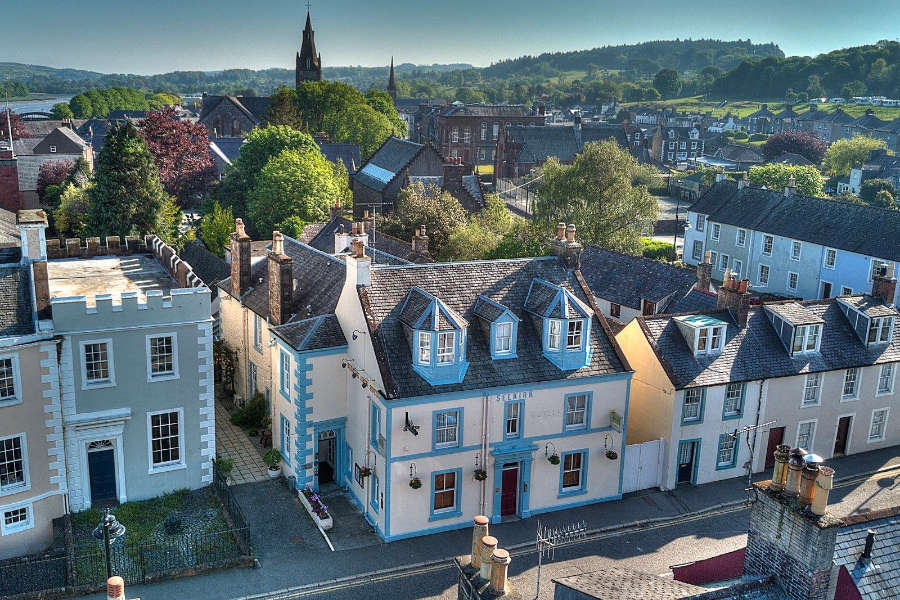
In Kirkcudbright, Scotland’s “artists’ town,” the Selkirk Arms has been hosting travellers since the 18th century. Robert Burns once stayed here, but the welcome feels as fresh as ever. The hotel’s bright rooms, airy restaurant and fireside bar reflect the town’s creative spirit — a balance of tradition and reinvention. Guests rise early for harbour walks or drives through the soft Galloway hills, returning to plates of local scallops or beef reared just up the road. Kirkcudbright remains one of Scotland’s lesser-known corners, which is precisely why it’s so rewarding.
Northern Ireland: Georgian grace on the Causeway Coast
Dromore House, Coleraine
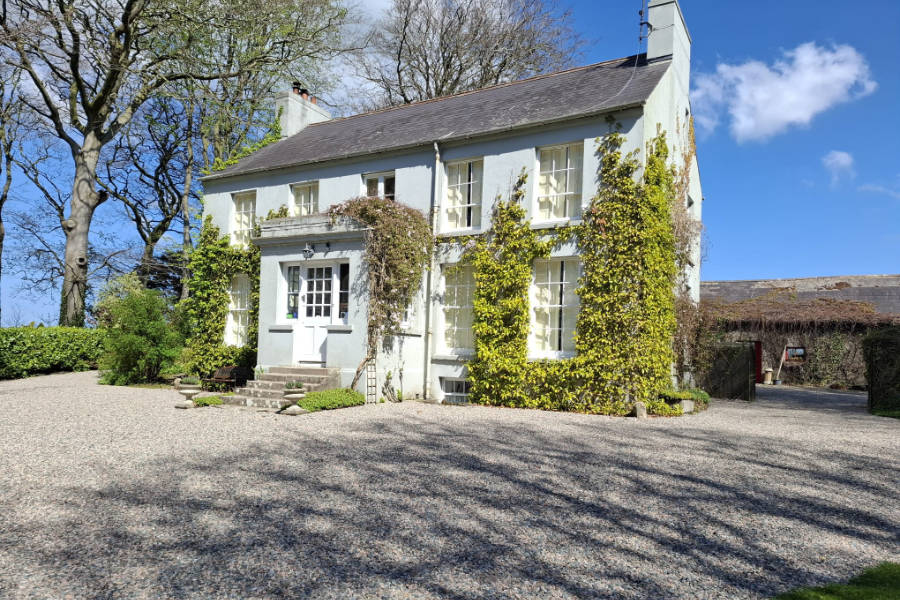
Tucked among green fields near Coleraine, Dromore House proves that luxury doesn’t need marble or mirrors to impress. Owner Angela Rolston has restored this Georgian house; there are four generously sized rooms filled with books, fabric textures and the scent of home-baked bread. Breakfasts are legendary — served leisurely and with conversation. The location is ideal for exploring Northern Ireland’s spectacular north coast: the Giant’s Causeway, Dunluce Castle and Portstewart Strand are within easy reach, yet the house feels miles from the world. If you leave without promising to return, you’re in the minority.
Wales: Art, architecture and Atlantic air
Penrhiw Priory, St Davids
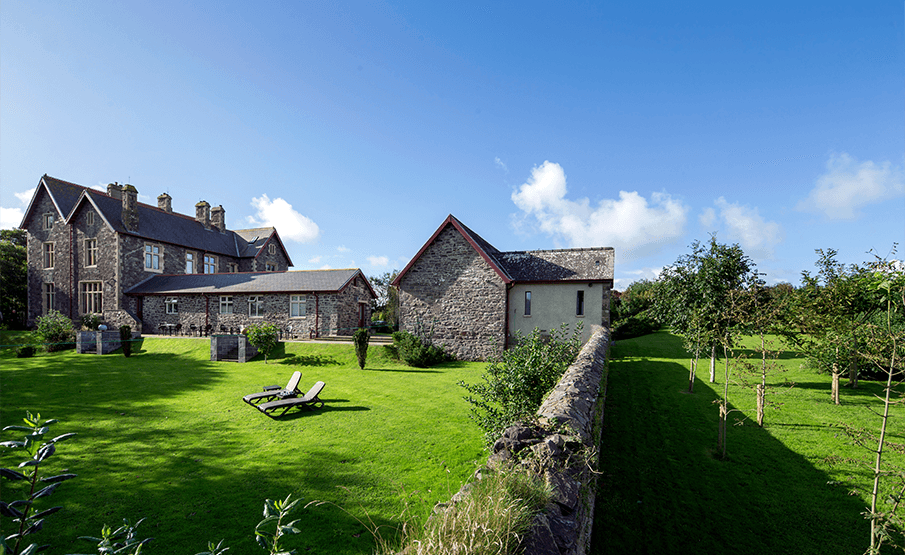
A short stroll from St Davids Cathedral, Penrhiw Priory is a lesson in understated grace. Once a Victorian priory, it has been carefully transformed into a contemporary retreat where art lines the corridors and the gardens are a balm for busy minds. The atmosphere is one of contemplation — morning yoga on the lawn, the hush of slate floors, and windows that open onto Pembrokeshire’s endless skies. It’s the perfect base for exploring Britain’s smallest city and the coastal paths that unfurl beyond.
Roch Castle, Roch
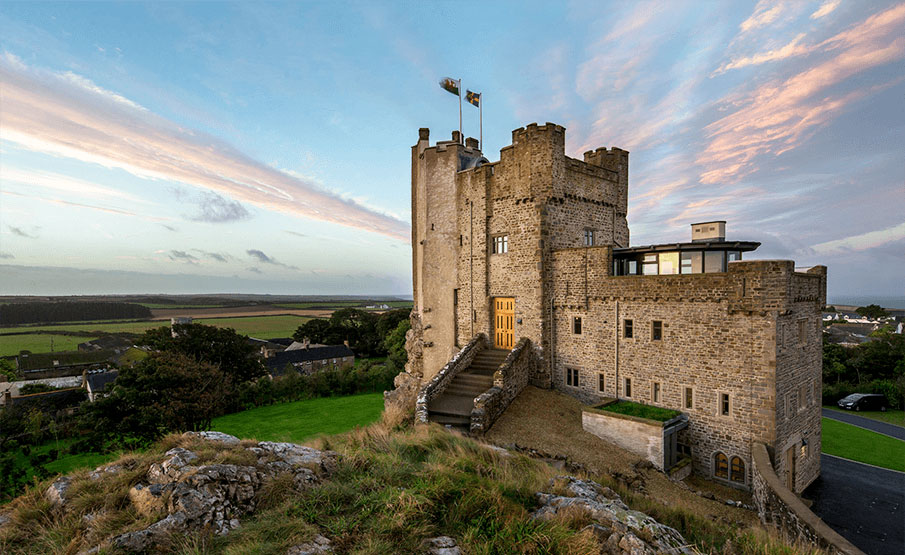
Perched on a rocky outcrop high above the Pembrokeshire countryside, Roch Castle feels part fairy tale, part fortress. Dating from the 12th century, it has been reimagined as a six-room boutique hotel where medieval stone meets modern luxury. Views stretch to the St Brides Bay coastline, and evenings often end with a glass of wine beside the original arrow slits — reminders that beauty and defence once shared the same walls. It’s as atmospheric as Welsh stays come.
Twr y Felin Hotel, St Davids
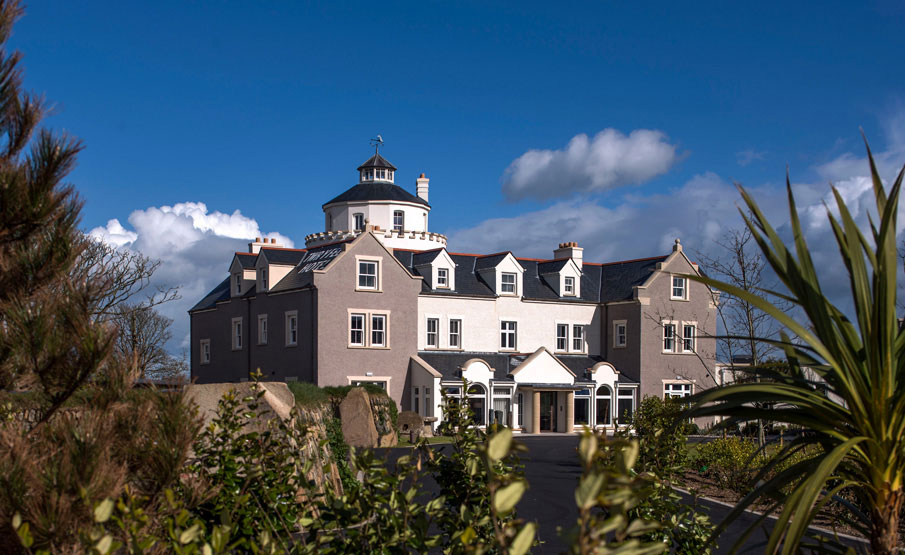
Once a windmill, now one of Wales’s leading art hotels, Twr y Felin bridges past and present with confidence. More than 100 contemporary artworks fill its light-filled spaces, while the rooms blend minimalist design with quiet indulgence. Its restaurant, Blas, is among the best in the region — serving modern Welsh dishes that celebrate Pembrokeshire’s land and sea. For walkers, it’s moments from the coastal path; for dreamers, it’s a space to linger over coffee and light.
A living heritage
Across these hotels, a pattern emerges. Each one has been lovingly revived — not reinvented — by owners who see hospitality as both craft and continuity. None feel formulaic; each is shaped by its landscape and community.
There’s also something quietly radical about choosing places like these. In an era of identikit stays, to sleep in a building that has weathered centuries is to join a long line of guests, farmers, poets and travellers. The stone walls hold more than warmth — they hold memory.
