


For 27 years, South Africa’s white apartheid regime tried to isolate Nelson Mandela from the world, holding him as a political prisoner — primarily in the isolation of the notorious Robben Island. The new Antoine Fuqua documentary Troublemaker, which premieres today at Sundance, reveals how Mandela passed the years — and used them to plan how he would save his country.
Troublemaker follows Mandela from his birth in 1918, when he was given the forename Rolihlahla, which translates to “troublemaker.” He endured an often-harsh childhood to become an attorney, but quickly ran up against the fearful oppression of the white minority.
When he helped fellow members of the resistance who were willing to take violent action against the colonizers, he became a target — and the apartheid regime made an example of him and others with a lengthy prison sentence, hard labor, and ostracism.
But the world didn’t forget Mandela: Artists, activists, students and politicians called for his release. The Specials sang “free Nelson Mandela” at a time in the mid-’80s when that possibility seemed especially hopeless. Other acts of resistance included one by the city of Glasgow, Scotland, which in 1986 renamed the street where the South African consulate was located “Nelson Mandela Place” so that the practitioners of apartheid would be reminded, everytime their mail arrived, of the man they had tried to silence. (The latter story is included in another terrific new Sundance doc, Everybody to Kenmure Street.)
Eventually, as Troublemaker shows, student protests became so constant that South Africa’s government relented and released Mandela in 1990.
And then, rather than seek vengeance, Nelson Mandela sought peace.
Troublemaker Director Antoine Fuqua on Making New Discoveries About Nelson Mandela
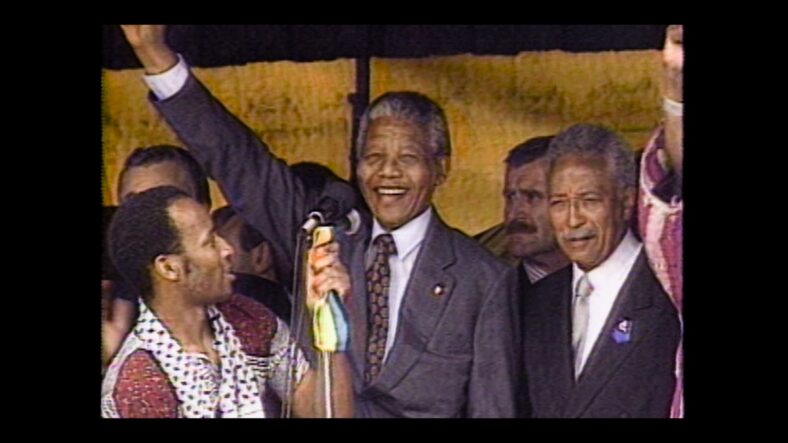
Mandel was elected South Africa’s president in 1994, and oversaw the formation of a Truth and Reconciliation Commission that sought honesty about the government’s atrocities in the service of South African whites, but also sought to repair and rebuild.
Troublemaker is based on audio recordings of Mandela made when he was working on his memoir, Long Walk to Freedom.
As he listened to the tapes, Fuqua, who is best known for action thrillers with a conscience like Training Day and the Equalizer trilogy, was struck by the realization that Mandela was not just an icon of courage, but also a man with flaws.
“I sat and listened to, I don’t know, 70 hours of tapes,” Fuqua told MovieMaker in an interview you can watch here or above. “The tapes humanized him for me.”
Fuqua was especially struck by Mandela’s patience and wisdom when he was finally released.
“I never could imagine coming out being so positive and so full of love after going through all that,” Fuqua said.
The film also notes that Mandela didn’t always see pacifism as the answer. In the 1960s, he was resigned to violence if that’s what was necessary to combat the violence inflicted on his people.
“You realize that he didn’t become an iconic figure or even a leader by avoiding conflict. In fact he ran towards it and was willing to actively engage in it,” Fuqua said. “But then the better wisdom, thank God, was peace, and communication, and finding another way.”
Fuqua was also surprised to discover that Mandela was a boxer. One of the director’s other heroes is Muhammad Ali, and he remembers once walking into a restaurant to see what he thought was a photo of the heavyweight champion.
Then someone told him: “That’s Mandela.”
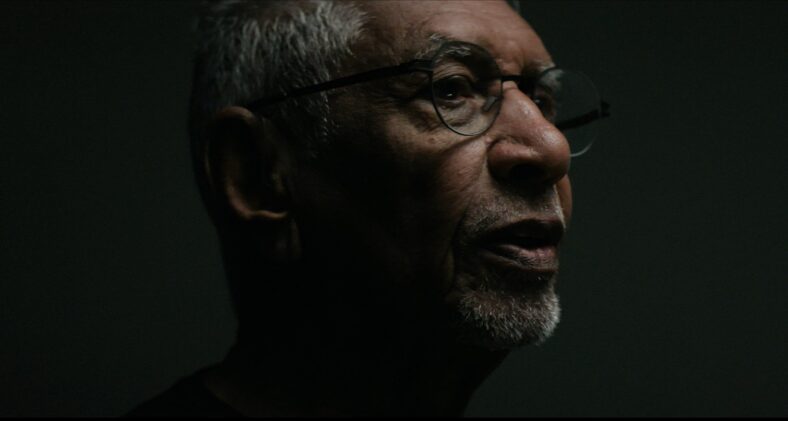
Troublemaker sometimes as the drama of a heist movie, and then a courtroom thriller, as Nelson Mandela and his friends try to shame the apartheid government into behaving decently.
When it turns to Robben Island, Troublemaker has the conspiratorial energy of a prison film. But rather than planning an escape, Mandela and the other prisoners forge their ideology, and strategize for equality and justice.
The film benefits from the perspective of Indian anti-apartheid activist Mac Maharaj, who was locked up with Mandela and shares his accounts of executions, beatings, and endless attempts to break the prisoners’ spirits.
Nelson Mandela died in 2013, at the age of 95. But Fuqua hopes that more Nelson Mandelas will rise. And he hopes his film can tell a story that will inspire them.
“I believe that we as human beings have it in us — you, me — we just don’t know, until we’re put under pressure, how we’re gonna respond. But I do believe there are some great people in the world who can make great change. I do.”
Troublemaker plays throughout the Sundance Film Festival. You can read more of our Sundance 2026 coverage here.
Main image: Nelson Mandela appears in Troublemaker by Antoine Fuqua. Courtesy of Sundance Institute.


