


Type 2 diabetes now affects almost six million people across the UK, according to Diabetes UK, with rates among children and young adults surging by 40 per cent since 2016.
This alarming increase puts many at risk of serious complications including kidney disease, sight loss and leg ulcers. But experts argue lifestyle choices could shield the population from the disease.
Rising obesity levels are the main culprit, with a new Lancet study predicting half of adults and a third of children will be overweight or obese by 2025.
Dietitian and advisor to the General Mills fibre campaign, Dr Carrie Ruxton, argued one key nutrient could help curb diabetes rates; fibre.

She quoted a recent “super study” published in Obesity Reviews, which found high-fibre diets are more effective than low-carb diets in controlling long-term blood sugar levels.
Fibre works by slowing the absorption of carbohydrates in the gut, which helps stabilise blood sugar. It also increases feelings of fullness, reducing the likelihood of overeating.
Dr Ruxton continued: “Fibre is the forgotten nutrient which can help reduce our risk of type 2 diabetes.”
“The fibre recommendation is 30 grams a day but fewer than one in ten Brits are eating this, leaving a massive fibre gap.”
A consumer survey found most people can’t define fibre and only four in ten know it helps reduce diabetes risk. Dr Ruxton offers simple ways to boost fibre intake throughout the day.
“[For] breakfast, have a bowl of bran flakes or oats instead of cornflakes or a muffin on the go.
“At lunch, have a bowl of lentil soup and a slice of wholegrain bread instead of your usual sandwich.
“For dinner, add a tin of chickpeas or butter beans to meat dishes, which makes your meat go further.”
LATEST DEVELOPMENTS
- High blood pressure: ‘I’m a doctor – adding 2 ingredients to your diet could improve your reading’
- Mother issues heartfelt plea for better care for pregnancy sickness after daughter’s suicide
- Health expert shares 3 foods you may not think of that are ‘excellent for stabilising blood sugar’
For snacks, Dr Ruxton suggested a trail mix, apple with peanut butter, or oatcakes with cream cheese.
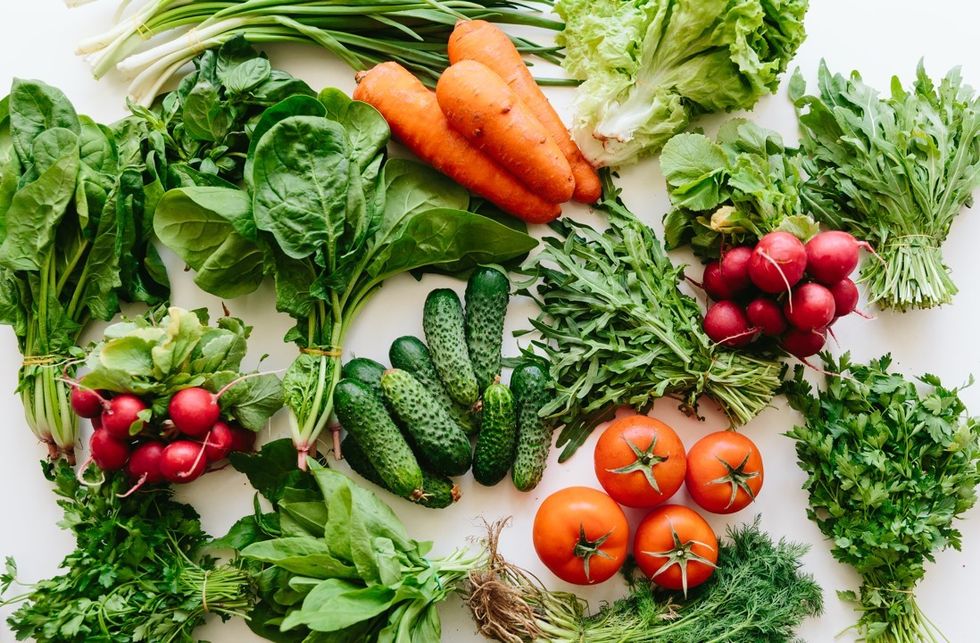
Fibre is found in whole grains, fruit, vegetables, nuts, seeds, beans and some fortified products, so doubling up on vegetables and keeping the skin on potatoes are easy ways to increase intake.
Making these simple swaps can help protect against diabetes while potentially saving on food bills.
With type 2 diabetes rates continuing to rise, increasing daily fibre consumption represents a practical step most Britons could take to improve their health


