


Experts have warned the ongoing heatwave is creating the perfect conditions for a surge in mosquitoes, leading to bites and infections.
The Met Office said temperatures had reached 36.7C at Merryfield, Somerset, on Thursday afternoon, provisionally making it the UK’s hottest June day on record, with more hot weather on the way.
The new high surpasses both the previous record set on Wednesday, when temperatures reached 36.1C in Gosport, Hampshire, and the long-standing record for June heat which dates back to the much-discussed summer of 1976.
Now, Dr Mojca Kristan, assistant professor in medical entomology at the London School of Hygiene and Tropical Medicine (LSHTM), has warned mosquitos capable of carrying nasty illnesses, such as dengue fever and Zika, could also take hold in the UK in the coming years.
She said: “Weather conditions in the UK at the moment are perfect for mosquitoes. They like warmth as well as standing water to lay their eggs in.
“May was too dry, but we’ve had rain in June so there’s water around and, as the weather continues to warm up, I would expect mosquitoes to emerge and start biting to get the blood they need to breed.”
She suggested people could take precautions to ensure they are not bitten.
“To protect yourself from bites, wear insect repellent and cover your skin with long sleeves, plus wear socks in the evening as mosquitoes like biting around ankles,” she said.
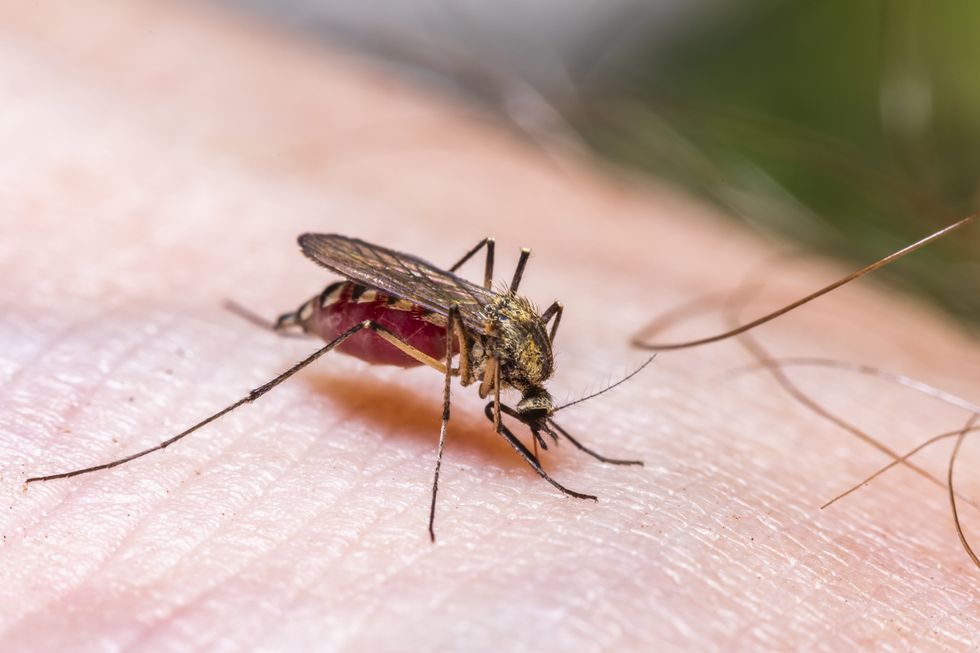
According to Dr Kristan, invasive species capable of transmitting viruses such as dengue, chikungunya and Zika, including Aedes albopictus (Asian tiger mosquito) and Aedes aegypti (Egyptian mosquito), are currently not present in the UK, though eggs of Aedes albopictus have been detected here.
However, some of these viruses, such as dengue and chikungunya, are present in Europe, especially the Mediterranean.
Modelling studies suggest that, by the 2060s, the climate in London and surrounding areas will most likely help the endemic transmission of dengue fever.
Malaria is currently not endemic in the UK, but around 2,000 imported cases are reported annually in travellers returning from high-risk, tropical, or subtropical areas.
LATEST DEVELOPMENTS
- Kemi Badenoch: ‘We make a lot more of the hot weather than we used to’
- Record heatwave to peak TODAY before African plume batters Britain with thunderstorm blitz
- UK’s hottest June day record broken AGAIN as temperatures soar to 36.4C

Experts still believe it is unlikely that malaria will become endemic in the UK.
Dr Kristan said: “At the moment there’s a low risk of bites from UK mosquitoes spreading serious illness, but we have to be alert to the threat of new disease-carrying mosquito species as climate change makes Britain a more attractive place for mosquitoes to survive and thrive.”
Dengue symptoms can be similar to flu and include a high temperature, severe headache, pain behind the eyes, muscle and joint pain and feeling sick.
Chikungunya symptoms include fever, joint pain, headache, muscle pain, joint swelling and rash.
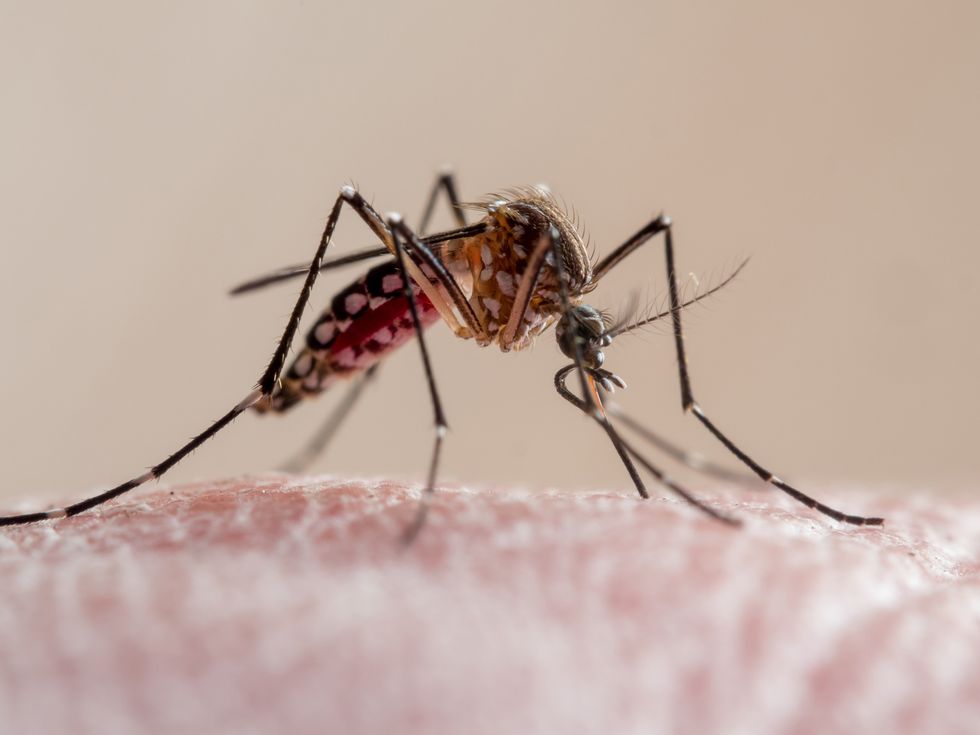
Most people with Zika suffer a mild illness but it is serious in pregnant women and can cause stillbirth, miscarriage, problems with development and unusually small heads.
Mosquitoes rely on standing water to lay their eggs.
It then needs to be warm enough for the eggs to hatch, which can take just a few days if temperatures are high enough.
Female mosquitoes bite in order to feed on blood which they need to develop eggs.
Our Standards:
The GB News Editorial Charter


