


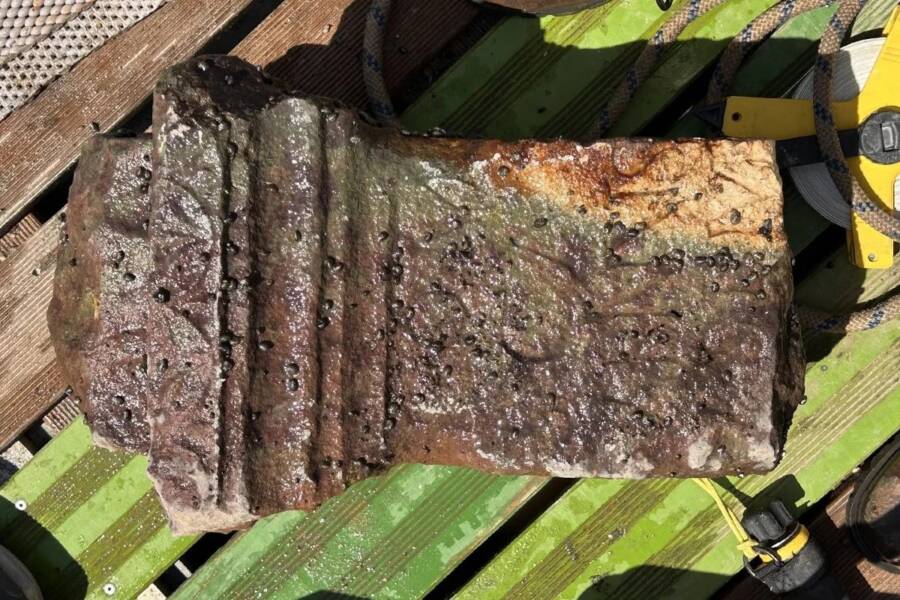
Dr. Szabó Antal/Intercisa MuseumThe low water levels of the Danube River in Hungary have revealed a part of an ancient Roman altar dedicated to Jupiter.
The extreme heat waves rolling through Europe have caused an unusually dry summer for Hungary, where the water levels of the Danube River have become drastically low. While the drought is of course concerning for many, for archaeologists, it presents an opportunity to uncover ancient artifacts once hidden beneath the surface of the river’s waters.
Archaeologists were hoping to find remnants of the presumed site of the medieval Pentelic Monastery, but instead stumbled upon a piece of an ancient Roman altar dedicated to Jupiter, the chief god of the Roman pantheon.
The Discovery Of A Roman Altar Dedicated To Jupiter In The Danube River
The find was made by archaeologists from Hungary’s Intercisa Museum during a survey near Szalki Island starting on August 3, taking advantage of the lower water levels of the Danube.
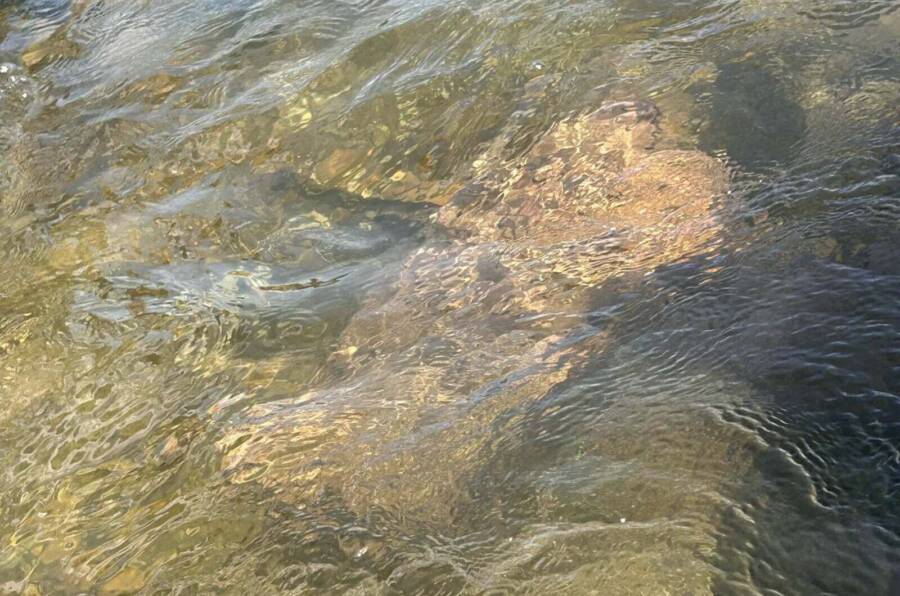
Dr. Szabó Antal/Intercisa MuseumThe discovery occurred at the former site of Intercisa, a Roman military settlement on the frontier of the province of Pannonia.
Researchers soon found the limestone altar, as well as two pieces of inscribed limestone slabs. The archaeologists are still working to uncover the specific histories behind these artifacts, and have sent them to the museum for further study as well as restoration work.
In general, Roman altars like the one found in the Danube typically feature inscriptions of names, military units, or dates that allow archaeologists to piece together the story of how and why the altar was created and dedicated.
Researchers hope to learn more about this and also determine the purpose of the limestone slabs, which may have been in funerary applications or perhaps in construction projects during the Roman era.
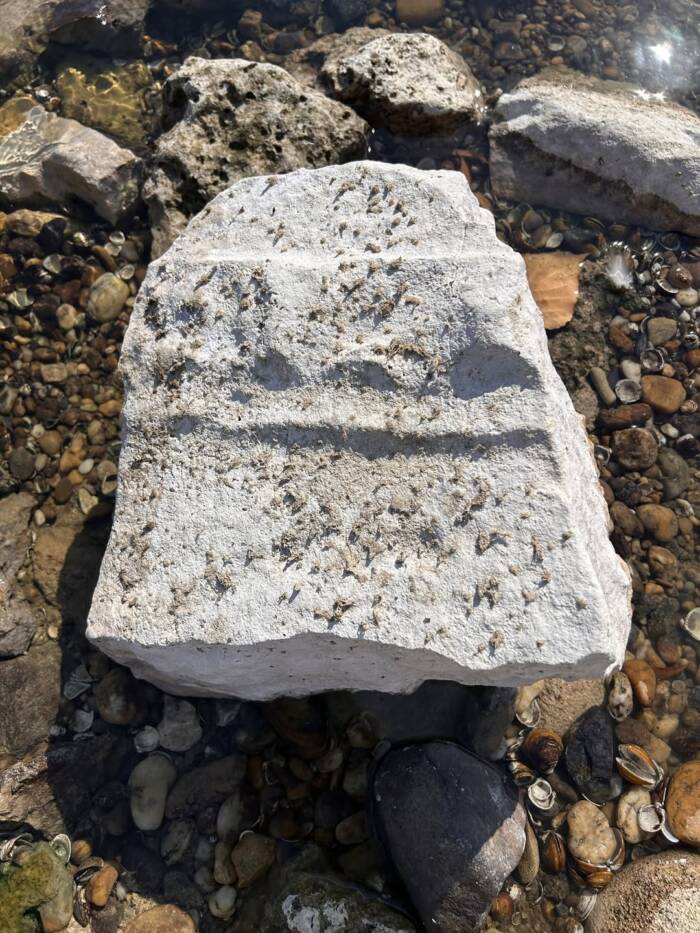
Dr. Szabó Antal/Intercisa MuseumArchaeologists also found two pieces of Roman limestone tablets.
These finds will hopefully provide more insight into daily life in Intercisa, the Roman settlement that is now occupied by modern-day Dunaújváros. This military settlement sat on the frontier of the Roman province of Pannonia, and formed a part of the Roman Empire’s defense system that ran along the Danube known as the Limes.
Previous excavations at Intercisa explored the fort’s layout and found that a major construction phase of the fort occurred in 185 C.E. Archaeologists have also uncovered a wooden structure near the ancient settlement’s northwest gate tower, and a military watchtower.
Now, the newly-uncovered altar will join the list of fascinating Roman artifacts unearthed at the remains of Intercisa.
Why The Danube River Is Revealing Its Secrets Now — And How This Could Be Dangerous
The low water level of the Danube has allowed archaeologists to expand their knowledge of Roman monuments from the region and better understand what life was like in this military settlement some 2,000 years ago.
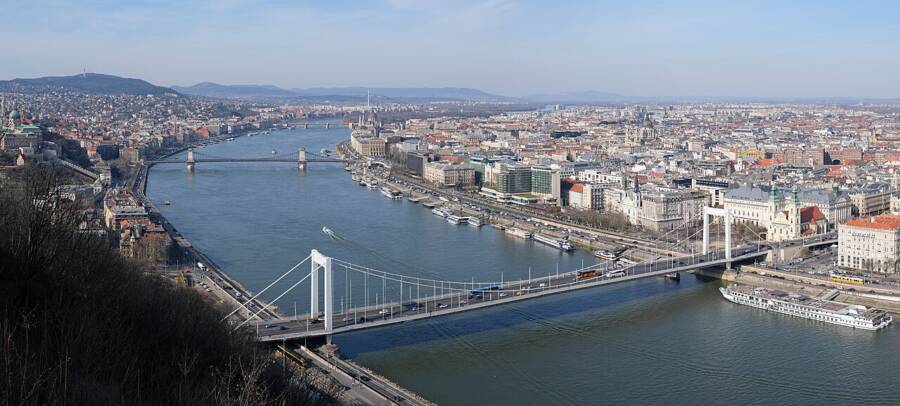
Wikimedia CommonsThe Danube River’s low water levels gave archaeologists access to land that had gone unexplored before.
Múlt-kor, a Hungarian magazine, reported that the drought also allowed archaeologists in Bulgaria to find remains of a 4th-century C.E. bridge that was built during the reign of Roman Emperor Constantine I and is considered one of the longest known bridges from antiquity.
The Ukrainian news site NV Techno also reported that the heatwaves and drought in Europe uncovered more than 200 Nazi ships at the bottom of the Danube River.
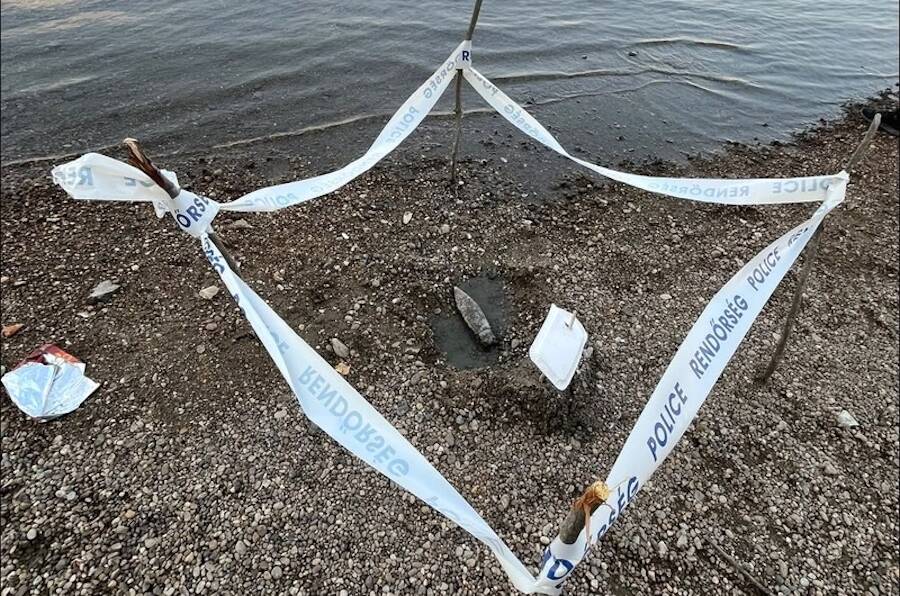
Emergency DunaújvárosArchaeologists in Hungary also found an unexploded ordnance from World War II on the banks of the Danube.
The warships were purposefully sunk to defend against the advance of Soviet troops in the fall of 1944, and the low water levels revealed the ships for the first time in more than 80 years.
Meanwhile, the drought has revealed another World War II relic in the Danube: an unexploded munition. Following this discovery, museum staff immediately alerted explosives specialists, who came to the site as a precaution.
Due to potential dangers like this, the Intercisa Museum warned the public against exploring for artifacts themselves in the newly-exposed parts of the Danube. Not only could members of the public disturb delicate archaeological sites, they could even stumble upon active explosives or other weapons from recent historical periods.
After reading about how the recent archaeological discoveries in the Danube River, discover how ancient Rome fell. Then, read about Rome’s worst emperors.
The post An Ancient Roman Altar Dedicated To Jupiter Was Just Revealed By The Extremely Low Water Level Of The Danube River appeared first on All That’s Interesting.


