


Statins, taken by millions of Britons, have become an invaluable line of defence in cardiovascular disease prevention.
But patients still frequently undermine their statin therapy by failing to maintain consistent daily timing, a pharmacist has warned.
While some statins offer flexibility in when they’re consumed, establishing a regular schedule remains crucial for optimal effectiveness.
Superintendent pharmacist, Abbas Kanani, MRPharmS, told GB News that blood concentrations of the medication fluctuate significantly when doses are taken erratically throughout the day.

He warned that ultimately, this may compromise the drug’s ability to control cholesterol levels effectively.
“For certain types of statins, it does not matter what time of day you take them, but it’s important to take them at the same time each day,” Mr Kanani explained.
“This is to prevent blood levels dipping or increasing too much. Some types of statins are recommended to be taken in the evening because your body makes most cholesterol at night.”
Mr Kanani also highlighted that a particularly hazardous dietary combination involves consuming grapefruit juice while taking the cholesterol-lowering pills, which disrupts enzymes responsible for metabolising the medication.
“Grapefruits can increase the amount of statins in the blood because they contain a chemical that interferes with the enzymes that break down statins in your digestive system,” Mr Kanani noted.
In essence, this interference causes statin concentrations in the bloodstream to surge beyond safe levels.
“This can increase the risk of serious side effects, including damage to the liver, muscle breakdown and kidney failure,” Mr Kanani cautioned.
To prevent these potentially life-threatening interactions from occurring, patients are advised to completely avoid grapefruit products during statin therapy.
They should equally avoid regularly missing statin doses, Mr Kanani explained, as this poses serious health risks beyond minor inconvenience.
LATEST DEVELOPMENTS
- How to lose weight: ‘I lost 5st 7lb – a simple food swap helped me halve my calorie intake’
- Intermittent fasting linked to 135% higher risk of death from cardiac disease in ‘unexpected’ study
- Smell that? Nose symptom may signal Alzheimer’s long before memory loss, scientists warn
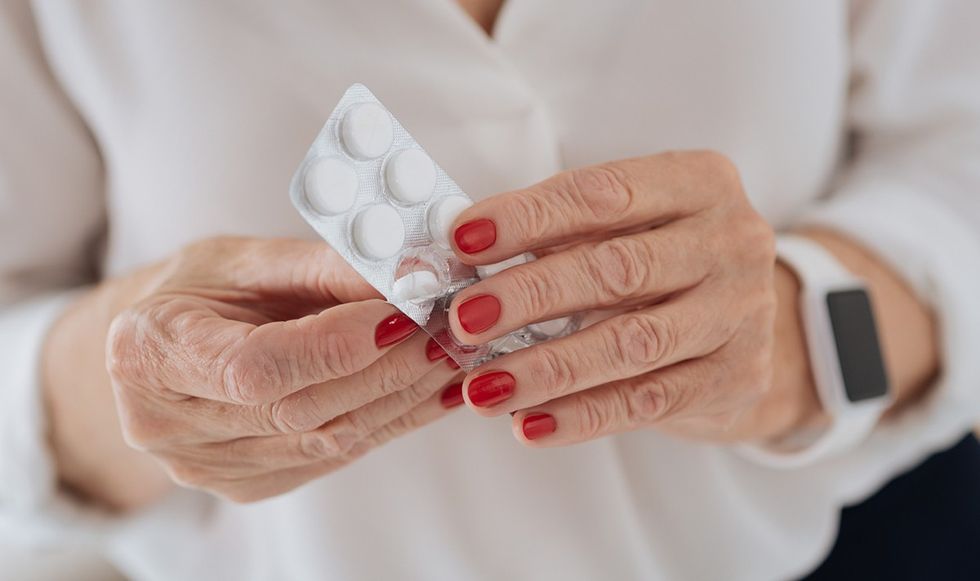
While single missed doses rarely cause harm, frequent lapses allow cholesterol to climb back to normal levels.
“This could be to their original state or even higher in some cases,” the pharmacist warned. It essentially promotes fatty deposits within arterial walls, causing blood vessels to narrow and stiffen.
The resulting arterial damage significantly elevates the likelihood of experiencing heart attacks or strokes. But consistent medication adherence prevents this dangerous cholesterol rebound effect.
Patients who struggle with regular dosing should discuss strategies with their healthcare provider rather than risking the cardiovascular consequences of interrupted treatment, Mr Kanani advised.


