


San Antonio has always understood the art of storytelling. From cultural narratives passed across generations to the stunning images of Wings (1927)—the first film ever to receive an Academy Award for Best Picture—this city has long known how to translate everyday life into cinema. Nearly a century later, MovieMaker Magazine has named San Antonio among the Best Places to Live and Work as a Filmmaker for the eighth year in a row.
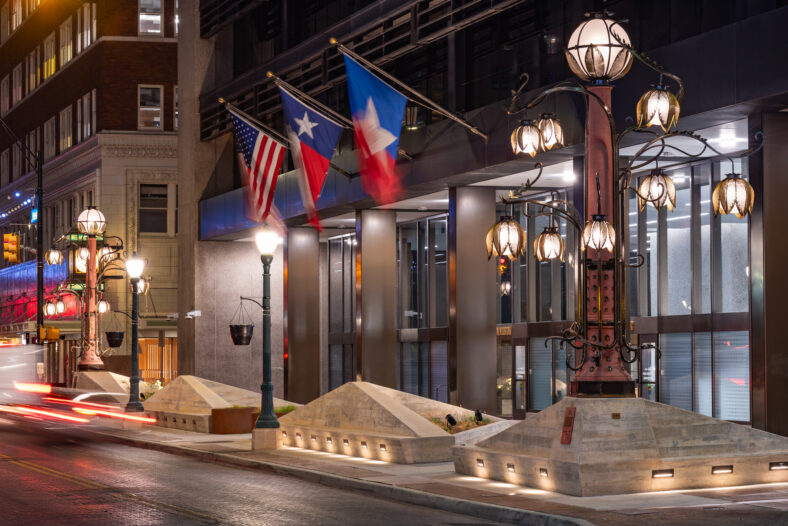
The same skies that once framed early aviation epics now light independent features, music videos, and documentaries capturing the evolving character of one of the most culturally layered cities in the U.S. Across its neighborhoods, filmmakers experience a rare mix of visual range and emotional authenticity. Spanish colonial missions, 19th-century storefronts, Hill Country vistas, and iconic downtown skylines coexist within easy reach, giving storytellers remarkable flexibility. But beyond the location variety, San Antonio’s true magic lies in its sense of place, offering a mix of language, culture, and creativity that feels alive in every frame.
That deep cultural resonance also shapes a filmmaking community that is grounded in collaboration and celebration. Cinematographers double as educators; editors mentor emerging directors; sound designers and muralists might collaborate on a film’s aesthetic. The result is a network defined not just by technical talent, but by the shared purpose to uplift San Antonio’s many voices through the arts.

Festivals like the San Antonio Film Festival, San Antonio Black International Film Festival and CineFestival (the nation’s original and longest-running Latino film festival) mirror that commitment. Together, they form an ecosystem that celebrates diverse stories while also connecting filmmakers to mentors, funders, and audiences. Educational institutions such as the University of Texas at San Antonio, Northwest Vista College, and San Antonio College reinforce that foundation by training new generations to see cinema as both a creative craft and an economic engine for the city they love.
Amid this artistic richness, practical support plays a crucial role in creating and sustaining creative opportunities for the community. The San Antonio Film Commission provides productions with assistance connecting with the talented and growing local crew base, highlighting the city’s treasure trove of film friendly locations, no-cost film permits for 250+ city-owned properties, and government liaising services for critical production needs such as road closures or traffic control.
San Antonio also boasts one of the most competitive film incentive programs in the country, administered by the San Antonio Film Commission, and applicable to filming activity across the Greater San Antonio Metro Area – an eight-county region that spans the rolling Texas Hill Country, the Coastal Plains, and serves as a gateway to the Rio Grande Valley. Qualified productions can receive a 10% base rebate on approved local spending, with two additional 2% bonuses for hiring local crew and military veterans—bringing the total local rebate to as much as 14%. When combined with Texas’ Moving Image Industry Incentive Program, which offers up to 31%, productions filming in San Antonio can access a combined cash rebate of up to 45%.

Whether filming along the River Walk at sunset, in the shadow of Mission San José, or amid the glow of downtown neon, filmmakers often describe the same sensation: that every frame carries the hum and vibrancy of lived experience. Stories here are emotionally grounded because they emerge from a real, layered community that values both its past and what artists imagine next.
In this sense, San Antonio isn’t a typical “film city.” It’s a cultural crossroads where history and innovation meet, and filmmaking has become an integral part of the city’s artistic legacy. The camera has become a listening device as much as a lens, capturing the city’s ongoing dance between tradition and transformation.
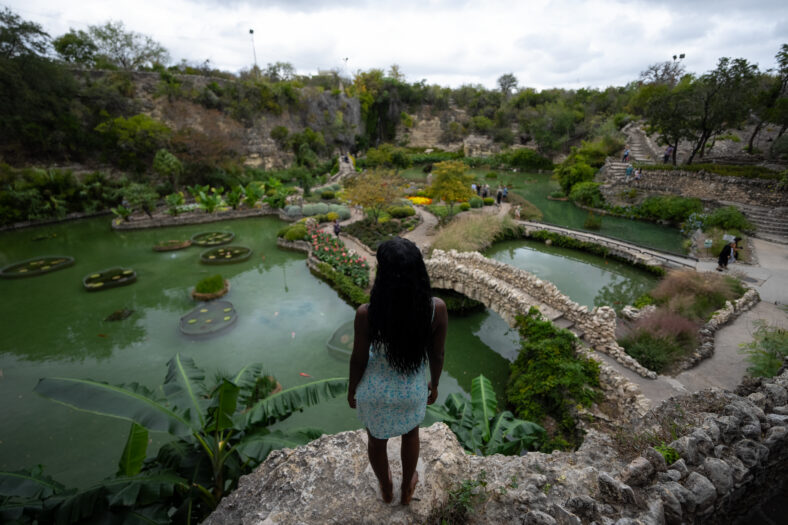
As the film industry searches for fresh stories that reflect the complexity of modern America, San Antonio offers both the infrastructure and the soul to sustain them. It is a city equally fluent in light and shadow, history and modernity, neighborhood pride and global outlook. In San Antonio, filmmaking isn’t just a profession. It’s part of a larger narrative — one where place, people, and imagination meet on screen.
Here, stories aren’t made from the outside in; they grow from the city itself. And that’s what keeps filmmakers coming back to San Antonio, ready to write the next scene.
Main photo: The Saga at San Fernando Cathedral. Photo courtesy of San Antonio Film Commission.


