


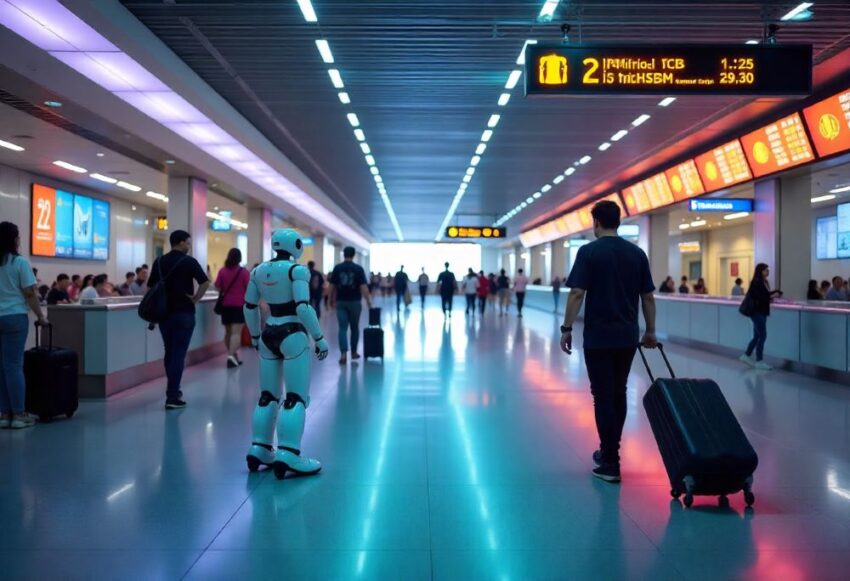
Malaysia’s travel and tourism scene is witnessing a quiet revolution, and artificial intelligence is the catalyst making it possible. Backed by government strategy and industry keen to innovate, AI is now a core ingredient in programmes that seek everything from heightened efficiency to more unforgettable visitor moments. Algorithms that anticipate demand and optimise flight pricing run behind the scenes, while chatbots that converse in multiple languages stand ready to answer traveller queries day and night. By marrying cutting-edge analytics with the country’s signature hospitality, the sector therefore hopes to restore pre-pandemic levels in a smarter, more resilient fashion and to leave a lighter carbon footprint along the way.
AI-Driven Productivity Gains in Malaysia’s Tourism Sector
The integration of AI into the tourism industry in Malaysia is driving significant productivity improvements, creating new opportunities for businesses to optimize their operations. By leveraging AI technologies such as predictive analytics, machine learning, and automation, tourism businesses can make faster, more informed decisions, reducing costs and enhancing efficiency.
AI tools help businesses forecast demand, analyze customer behavior, and personalize services, offering tourists tailor-made experiences that meet their preferences. For example, AI-driven systems can optimize pricing models, ensuring that tourists get the best deals while businesses maximize revenue. The result is a more profitable and streamlined industry, which is crucial for Malaysia’s long-term competitiveness in the global tourism market.
Enhancing Visitor Experience with AI: Personalized and Seamless Travel
One of the most significant impacts of AI on Malaysia’s tourism sector is the enhanced visitor experience. AI enables businesses to offer highly personalized travel services, from tailored tour packages to AI-powered chatbots that provide instant customer support. By analyzing past travel behavior and preferences, AI can recommend attractions, accommodations, and activities that align with individual interests, enhancing the overall tourist experience.
Virtual assistants and AI-powered customer service agents are also becoming increasingly common in hotels, airports, and tourist attractions, providing immediate assistance and information to visitors. These technologies not only make travel more convenient but also help visitors feel more engaged and satisfied, leading to higher rates of repeat visits and positive word-of-mouth.
AI in Sustainable Tourism: Promoting Eco-Friendly Travel Innovations
As sustainability becomes a growing concern for both travelers and the tourism industry, AI is emerging as a powerful tool to promote eco-friendly practices. In Malaysia, AI is being used to monitor environmental impacts, manage tourism flows, and reduce the carbon footprint of the industry. By analyzing data on visitor numbers and behavior, AI can help destinations manage overcrowding and reduce the strain on natural resources.
AI also plays a role in helping businesses track and manage their sustainability goals. For instance, AI algorithms can optimize energy usage in hotels, reduce waste, and enhance recycling efforts, contributing to more sustainable tourism practices. These AI-driven solutions are helping Malaysia’s tourism sector align with global sustainability standards while ensuring that future generations can enjoy the country’s natural beauty.
Government Initiatives to Drive AI Adoption in the Tourism Industry
The Malaysian government, through the Malaysia Productivity Corporation (MPC), is actively supporting the adoption of AI in the tourism industry. MPC is working closely with tourism businesses, especially small and medium-sized enterprises (SMEs), to ensure that AI technologies are accessible and effectively implemented across the sector.
In addition, the government is facilitating collaboration between industry players, technology providers, and international organizations to promote the use of AI in tourism. One notable initiative is the AIxTourism Conference, scheduled for 2025, which will bring together global experts to discuss the future of AI in the travel sector. This conference, aligned with World Tourism Day 2025, aims to showcase the potential of AI to enhance productivity and shape the future of tourism in Malaysia and beyond.
By fostering innovation and providing support for AI adoption, the Malaysian government is laying the groundwork for a smarter, more efficient, and sustainable tourism industry.
The Economic Impact of AI: Unlocking Billions in Tourism Productivity
The economic potential of AI in Malaysia’s tourism sector is immense. By improving efficiency, enhancing customer experiences, and driving innovation, AI is expected to unlock substantial productivity gains. According to various estimates, AI could contribute billions of dollars to Malaysia’s tourism economy, creating new revenue streams and boosting GDP.
AI’s impact on productivity extends beyond cost reduction and efficiency gains. The technology also supports growth by creating new opportunities for businesses to expand their services and reach a broader audience. Moreover, the introduction of AI-powered technologies is expected to create more tech-driven job opportunities in Malaysia’s growing tourism and tech industries.
As AI continues to evolve, its influence on the tourism sector will only increase, bringing even more economic benefits and positioning Malaysia as a competitive destination in the global market.
AI and the Future of Tourism in Malaysia: A Smart, Sustainable, and Global Destination
Looking to the future, AI is poised to play an even more central role in Malaysia’s tourism sector. As AI technologies advance, new applications are expected to emerge, providing businesses with even more powerful tools to enhance operations and improve visitor satisfaction. From AI-driven predictive models to advanced automation systems, the tourism industry in Malaysia is on track to become more innovative, efficient, and sustainable.
The government’s commitment to AI adoption, combined with strong collaboration between businesses, tech providers, and international organizations, will ensure that Malaysia remains at the forefront of global tourism innovation. The country’s focus on sustainability, coupled with AI-driven solutions, will allow Malaysia to offer a unique and responsible travel experience that meets the needs of today’s environmentally-conscious tourists.
Embracing AI for a Competitive and Sustainable Tourism Future
In summary, artificial intelligence is fundamentally transforming Malaysia’s tourism sector, boosting efficiency, enriching guest interactions, and reinforcing sustainability commitments. Bolstered by federal support, collaborative alliances, and cutting-edge AI applications, the country is asserting itself as a globally recognized pioneer in the evolving travel panorama. In leveraging intelligent systems, Malaysia augments its tourism framework and simultaneously crafts a benchmark for eco-conscious, technology-enabled travel upon which other countries can confidently draw inspiration. Looking forward, the industry remains equipped to tackle future hurdles while consistently delivering, at every touchpoint, extraordinary journeys.
The post Unleashing the Power of AI in Malaysia’s Tourism Industry: A New Era of Smarter, Sustainable Travel Awaits appeared first on Travel And Tour World.
