


Hosepipe bans may be enforced across the country until next year despite recent showers.
Three quarters of England remain in drought conditions even after recent downpours.
The Environment Agency has now warned hosepipe bans could be in place until next year.
Drought conditions can only end when rivers, groundwaters and reservoirs return to normal levels – which has not yet happened.
“The drought situation remains very serious, and we cannot underestimate the challenge ahead over the coming months,” Environment Agency Chief Executive Philip Duffy said during the latest meeting of the National Drought Group.
He added: “A few weeks of rain cannot reverse the deficit we face from the very dry spring and summer.
“We still need everyone else to use a little less water to speed up the drought recovery.”
In what has been described as the “most likely scenario” by the Government, some areas of England would remain in a drought until spring 2027.

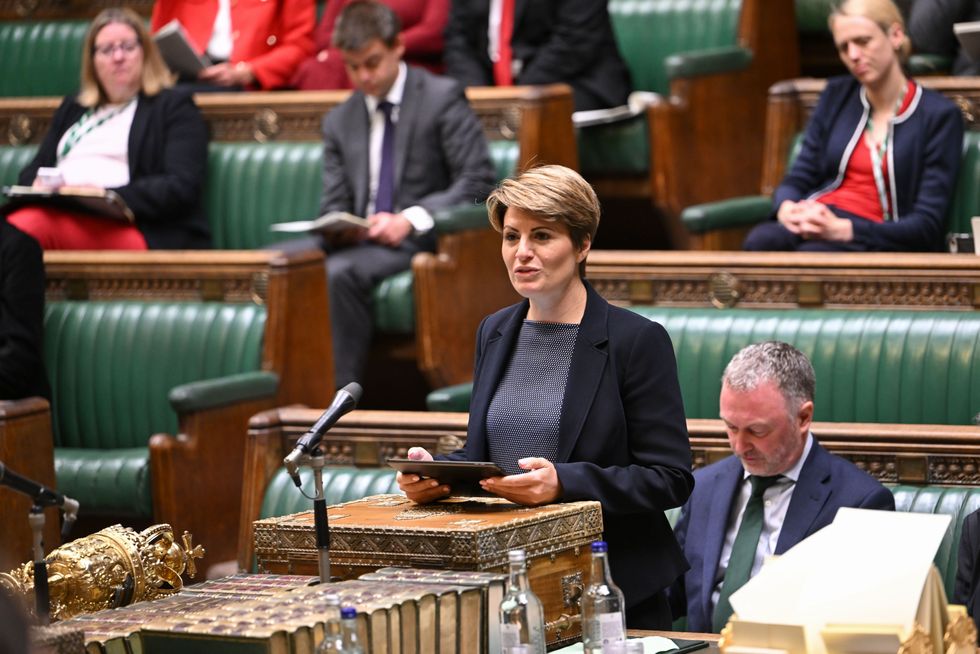
Water Minister Emma Hardy said: “The recent rainfall is not yet enough to replenish all the water we’ve used over the last six months, and I will be carefully monitoring the actions of water companies which will be vital as we go through the autumn.
“They need to maintain momentum. We expect to see leaks fixed quickly, drought plans followed without delay and continued work to reduce demand to help avoid any further restrictions.”
Some areas of England – Cumbria, Lancashire, Greater Manchester, Merseyside and Cheshire could move to recovery in October.
By December, most areas would see a small recovery, but Devon, Cornwall, East Anglia, Thames Valley and the West Midlands would be still in drought.
LATEST WEATHER NEWS:
- Britain braces for hot and humid weekend as Atlantic fronts kept at bay
- Coastal gales set to hit miles of British coastline before rain sweeps in
- UK weather: Autumn ‘to be wetter than average’ despite temperatures reaching as high as 26C today

Then in February, most regions would return to normal – but Devon, Cornwall and East Anglia would remain in drought until spring 2027.
In another scenario – with a one-in-four chance of happening – around half of Britain would remain in drought conditions by the start of April 2027.
The head of environment and energy at the Met Office, Sarah Davies, said: “The latest Met Office seasonal September to November outlook points towards the increased likelihood of a warmer and wetter than average autumn, with the signal for unsettled, wet and windy weather becoming stronger later in the season.
“This means there is a greater chance of periods of heavy rain and strong winds during October and November than we would typically expect at this time of year.”
Sudden autumn rainfall could help top up waters but could lead to flooding in some areas.
El Nino, a global climate phenomenon, is typically associated with wetter and stormier conditions, and indicates a warmer and wetter than average autumn could be in store.
But Ms Davies noted the phenomenon is “only one of several drivers that influence the UK’s weather, and it does not determine exactly what conditions we will see”.
The Government has now also given a £65million package to help farmers impacted by drought and £100million to strengthen the capacity to respond to extreme weather and wildfires.
It has also committed to continue water company work on resilience.
Our Standards:
The GB News Editorial Charter


