


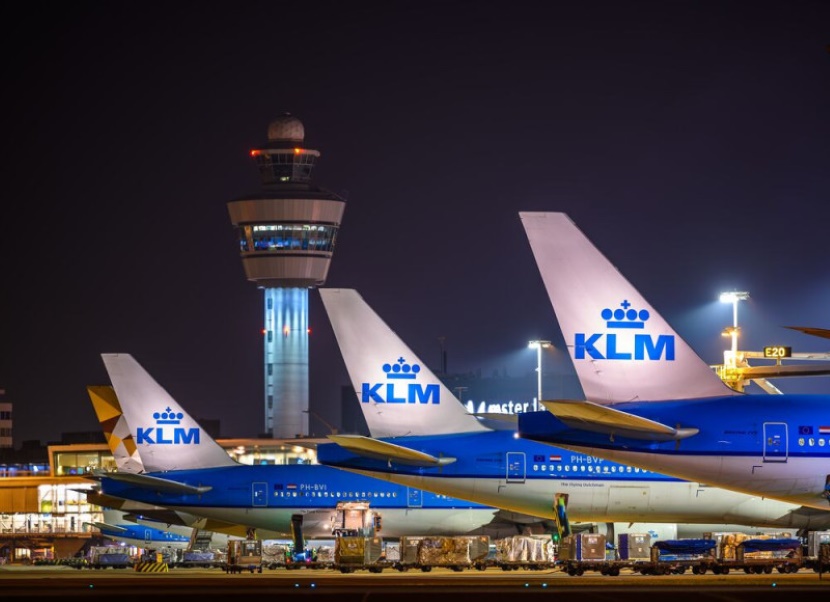


In a concerning turn of events, the Air France-KLM Group has confirmed a data breach affecting its customers. The multinational airline holding company revealed that personal information belonging to passengers of its French and Dutch subsidiaries, Air France and KLM Royal Dutch Airlines, had been compromised due to a breach involving a third-party customer service platform. The incident has raised alarm among both affected customers and cybersecurity experts, as the breach contains hallmarks of sophisticated cybercrime tactics and poses significant risks for identity theft and phishing scams.
Unusual Activity Detected on Third-Party Platform
The breach was discovered when unusual activity was detected on an external platform that the airlines use for customer service operations. The platform, believed to be associated with Salesforce, is commonly used by numerous organizations worldwide, including the airline giants. The breach was traced back to the compromised external platform, which led to the immediate involvement of both the airline’s IT security teams and the external partner to mitigate the damage.
As a result of the breach, customer data such as full names, contact details, and Flying Blue loyalty program membership information was exposed. However, the airlines confirmed that no sensitive information, including passwords, travel details, or payment information such as credit card numbers and passport data, had been compromised. Despite this, the breach still has the potential to significantly affect passengers’ security, as their exposed personal information can be exploited for social engineering attacks.
Phishing Scams on the Horizon: What Passengers Need to Know
While no highly sensitive data was breached, the exposed customer information makes those affected vulnerable to phishing scams and identity theft. Hackers often use this type of compromised data to conduct targeted social engineering attacks, where they impersonate the airline or other legitimate entities to trick passengers into revealing more sensitive details, such as financial information.
In response to the breach, KLM and Air France have begun notifying affected passengers, advising them to remain extra vigilant for any suspicious phone calls, emails, or messages. These phishing attempts are designed to deceive individuals into divulging personal data, which could later be used for malicious purposes.
The airlines have specifically warned passengers to be cautious of unsolicited communications that ask for personal information or direct them to dubious websites. They recommend that customers look out for any communications that lack personalization or contain spelling errors and other signs of illegitimacy.
Third-Party Vendor Breach: ShinyHunters Group Suspected
The breach at Air France-KLM has all the hallmarks of a cybercrime group known as ShinyHunters, who are notorious for targeting Salesforce customers. ShinyHunters is an elusive hacking group that specializes in exploiting third-party vendors and customer service platforms, gaining access to sensitive data and using it for malicious activities. The group has recently been implicated in similar incidents involving well-known companies, including technology giants such as Google and Cisco, and other airlines, including Qantas.
Although the Air France-KLM Group has not confirmed whether Salesforce was the exact platform that was breached, there are strong indications that this could be the case. Salesforce itself has confirmed that their platform was not compromised in any of these attacks, emphasizing that these incidents result from social engineering techniques rather than exploiting any vulnerabilities within their system.
Addressing the Breach: Airline’s Response and Security Measures
In response to the breach, both Air France and KLM have acted quickly to secure their systems. The airline group has reported the breach to the relevant authorities, including the French National Commission on Informatics and Liberty (CNIL) and the Dutch Data Protection Authority (DPA), as part of their legal obligations under data protection regulations like GDPR.
Moreover, the airline has assured passengers that no internal systems were impacted, and that new security protocols are being implemented to prevent further attacks. These measures include reinforcing safeguards for third-party platforms and enhancing their customer data handling processes. Both KLM and Air France are actively working to ensure that such incidents do not recur and are reinforcing their cybersecurity posture.
The Bigger Picture: Airline Cybersecurity Risks
This incident highlights a growing trend in the airline industry: the vulnerability of third-party platforms to data breaches. As airlines increasingly rely on external vendors for customer service management, these partnerships create new avenues for cybercriminals to exploit. While this is not the first instance of a data breach involving airlines and third-party vendors, it serves as a stark reminder of the need for constant vigilance and investment in cybersecurity.
The incident at Air France-KLM also echoes recent breaches in the aviation sector, including similar attacks on Qantas and other airlines that have seen customer data exposed. These incidents raise questions about the wider implications of cybersecurity in the industry, particularly as airlines handle large volumes of sensitive passenger information every day. The aviation sector must prioritize investing in robust security systems to safeguard passengers’ data and prevent breaches like this from escalating.
Moving Forward: What Travelers Should Do
As the investigation into this breach continues, passengers who believe their data may have been exposed are urged to stay alert for phishing attempts. KLM and Air France are providing resources to help customers identify fraudulent communications and are offering guidance on how to protect themselves from potential scams.
Travelers are advised to be particularly cautious with any unsolicited emails or phone calls claiming to be from the airline. If in doubt, they should directly contact the airline’s customer service using official contact details. Additionally, passengers should consider implementing additional security measures, such as enabling two-factor authentication on any accounts where possible.
Conclusion
The Air France-KLM data breach serves as a stark reminder of the growing cyber risks facing the aviation industry. While the exposure of sensitive personal data did not occur in this instance, the breach still poses a significant threat to affected customers, especially through phishing and social engineering scams. As airlines continue to rely on third-party vendors for customer service, it is essential that they bolster their cybersecurity measures to protect the data of millions of passengers.
The post Air France-KLM Data Breach Exposes Passengers Info, Sparks Fears of Phishing Scams and Identity Theft appeared first on Travel And Tour World.

