


Large parts of England have been placed on high wildfire alert, as intensifying summer heat pushes the country closer to breaking a 50-year drought record from the driest period on record.
Experts have warned prolonged heatwave conditions, low rainfall, and shrinking water supplies are creating dangerous conditions, with the historic drought of 1976 now on the verge of being surpassed.
The Met Office has issued a warning of “severe” wildfire conditions across much of England and parts of Wales, as temperatures are forecast to approach 35C over the next week – just the latest in a bombardment of scorching temperatures since May.
Meanwhile, around 23 million people remain subject to a temporary hosepipe ban imposed by seven separate water companies across the country.
The Royal Horticultural Society’s garden at Wisley, Surrey, recorded 43 consecutive days without measurable rainfall by Wednesday this week.
Two more dry days would equal the 45-day rainless period experienced during the severe drought of 1976, which caused widespread water shortages and significant agricultural losses.
Amid drought conditions, emergency services remain under increasing pressure following a surge in wildfire incidents.
Just yesterday, a major incident was declared on the Suffolk coast after a large wind-driven forest fire broke out.

Dan Davis, station manager for Suffolk Fire and Rescue Service, said crews encountered a “rapidly spreading blaze fueled by dry vegetation and strong winds”.
The latest heatwave, the fourth to affect Britain this summer, is in large part behind the increased fire risks.
According to the National Fire Chiefs Council, fire crews in England and Wales have responded to 706 wildfires so far this year, including more than 200 in the past two weeks – equivalent to a new wildfire roughly every 90 minutes.
Fire services continue to monitor eight active fires across Britain and warn that the threat of additional outbreaks remains high.
LATEST DEVELOPMENTS
- Hundreds forced to evacuate in Suffolk as huge wildfire races towards holiday park
- Drought declared across HALF of England amid record dry spell and high temperatures
- Britons told not to sit under trees during heatwave amid ‘fatal risk’ warning

The Environment Agency has classified more than half of England as being in rapidly developing “flash drought” conditions.
Areas officially designated as being in drought include East Anglia, Hertfordshire and London, the Thames Valley, Hampshire and the Isle of Wight, Devon and Cornwall, the West Midlands, and Wessex.
Although there is no single trigger for declaring a drought, the Environment Agency assesses rainfall, river flows, groundwater levels, reservoir storage, and environmental impacts before making a declaration.
Officials say current conditions are placing increasing strain on communities, businesses, agriculture and ecosystems.
The effects are already visible across the country, with nearly 80 per cent of England’s rivers running below normal levels and around one in six considered exceptionally low for this time of year.
Reservoir storage has also fallen to 75.3 per cent of capacity – more than seven percentage points below the seasonal average.
England has also received just seven per cent of its normal August rainfall, with southern regions recording a mere one per cent of their monthly average.
Helen Wakeham, the Environment Agency’s Director of Water, warned water was being consumed faster than natural systems could replenish it.
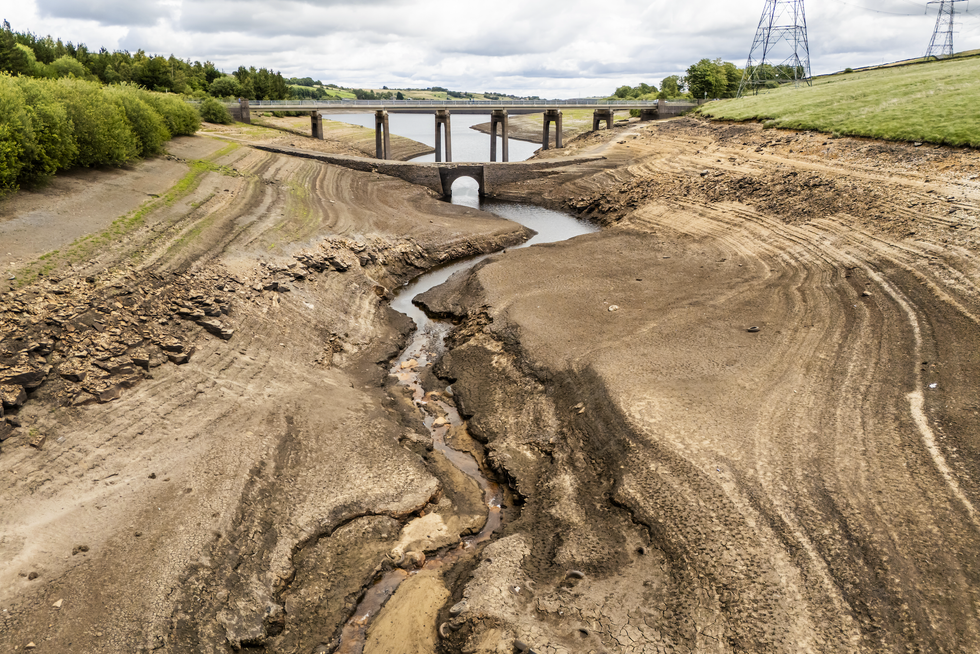
She described the prospect of a second consecutive summer drought as “an exceptionally serious situation”, with lasting consequences for wildlife, the environment and the economy.
With little meaningful rainfall expected in the coming days, the Met Office says wildfire conditions are likely to remain elevated.
Environmental groups, including The Rivers Trust, are calling for long-term reforms to improve water storage and land management, arguing better use of winter rainfall will be essential to building resilience against increasingly frequent droughts driven by climate change.
Our Standards: The GB News Editorial Charter

