


Adopting a plant-based diet could slash the likelihood of developing multiple serious conditions by almost a third, new findings suggest.
The European investigation, published in The Lancet, tracked more than 400,000 individuals across six nations and discovered significant health benefits linked to diets rich in plant foods.
Those who consumed greater quantities of fruits, vegetables, pulses and wholegrains while limiting meat intake showed a 32 per cent reduction in their chances of suffering from several chronic conditions simultaneously.
**ARE YOU READING THIS ON OUR APP? DOWNLOAD NOW FOR THE BEST GB NEWS EXPERIENCE**
Focusing on the combined occurrence of cancer, diabetes and heart disease, the investigation drew on data from two major health studies, examining participants aged between 37 and 70 from Italy, Spain, Britain, Germany, the Netherlands and Denmark.
Researchers from the University of Vienna, working alongside the International Agency for Research on Cancer in France and Kyung Hee University in South Korea, analysed dietary patterns and health outcomes over extended periods.
The team specifically examined how plant-focused eating habits influenced the development of multimorbidity – the presence of two or more chronic conditions in a single individual.
This health challenge has become increasingly prevalent worldwide, especially amongst those over 60.
LATEST DEVELOPMENTS
- Golden spice’ shown to support fat loss and promote notable waistline reductions
- Toothpaste made from human hair could repair tooth enamel, scientists say
- Doctor names ‘best foods’ to lower cholesterol without ‘magic pills’ – ‘Your heart will thank you!’
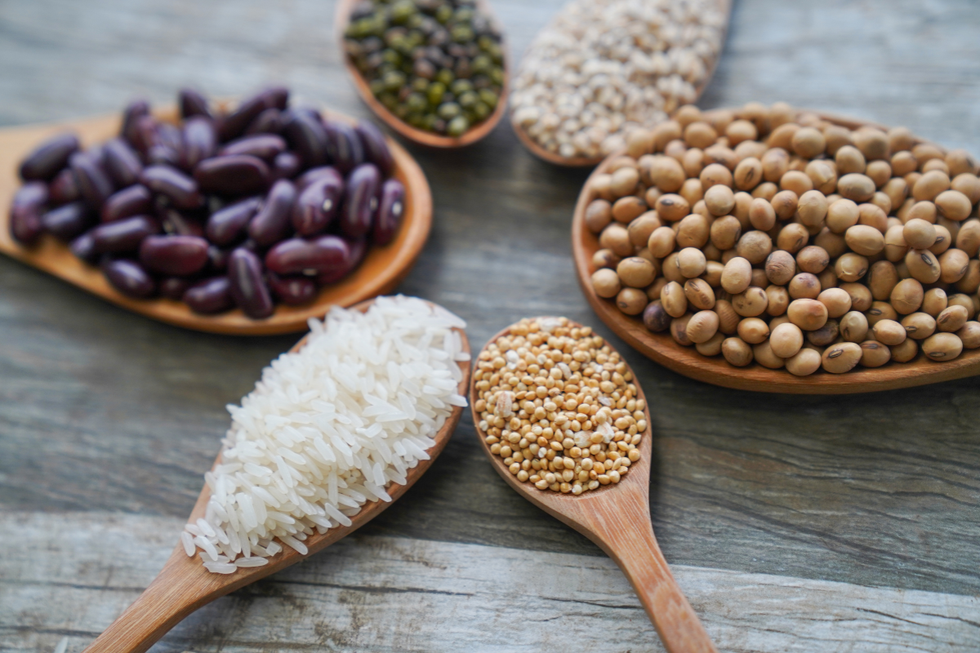
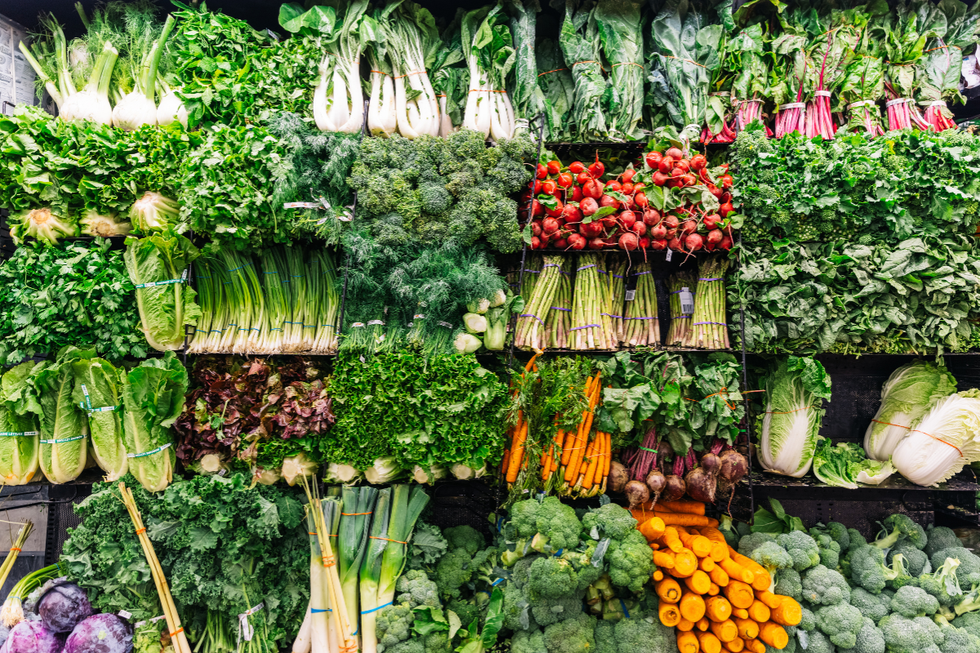
The research defined a healthy plant-based eating pattern as one featuring abundant fruits, vegetables, wholegrains and pulses, alongside plant-based alternatives such as vegan burgers, while minimising meat consumption at the same time.
Lead researcher and nutritional epidemiologist Reynalda Córdova emphasised that complete elimination of animal products isn’t necessary.
“You don’t have to cut out animal products entirely,” Ms Córdova explained. “Shifting towards a more plant-based diet can already have a positive impact.”
The investigation demonstrated that stronger commitment to plant-focused eating correlated with decreased risks across all age groups. Benefits were observed equally in participants under 60 and those in older age brackets.
Study co-author and president of the Austrian Society for Nutrition Karl-Heinz Wagner explained that the research is aligned with Austria’s updated dietary guidelines promoting plant foods with limited animal products.
“The results show how important a predominantly plant-based diet is for our health,” Mr Wagner weighed in, adding that such eating patterns also deliver environmental advantages through reduced greenhouse gas emissions and land usage.
The researchers concluded that health interventions and dietary guidance should recognise how predominantly plant-based eating patterns, supplemented with modest amounts of animal products, could help prevent the simultaneous development of cancer and cardiometabolic conditions.


