


From full-fat, semi-skimmed and skimmed to an abundance of dairy-free alternatives, the milk aisle is never short of choices.
However, with the options varying in fat content, how you top up your morning coffee could have negative consequences.
Published in The American Journal of Clinical Nutrition, a Norwegian study spanning across three decades has revealed that fat content in milk could be a contributing factor to cardiovascular health.
**ARE YOU READING THIS ON OUR APP? DOWNLOAD NOW FOR THE BEST GB NEWS EXPERIENCE**
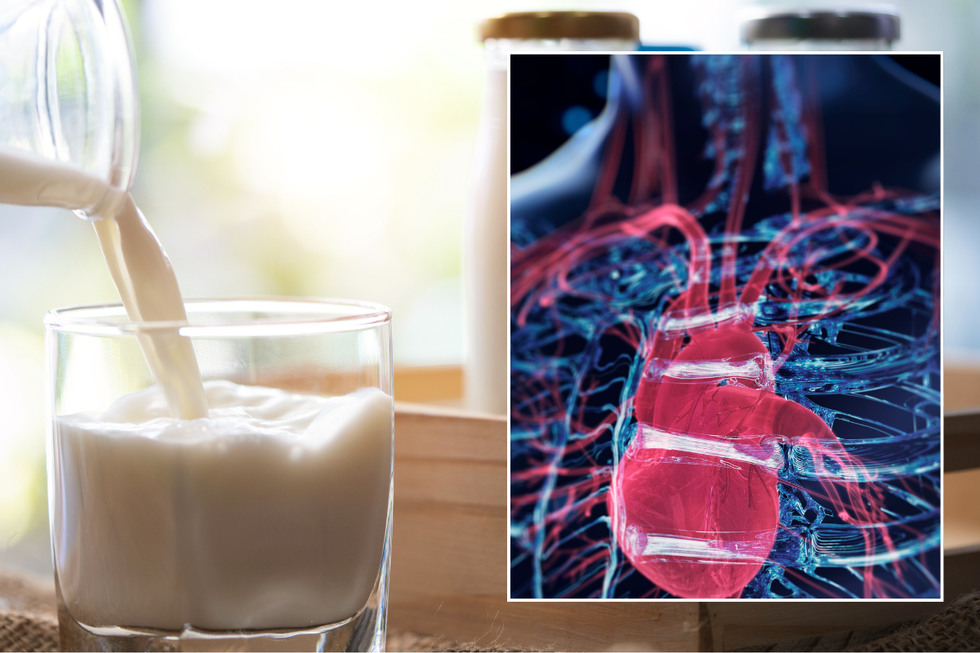
Having assessed 73,860 people with an average age of 41, the research team identified that 8,590 out of a total of 26,393 deaths were down to cardiovascular disease.
The scientists further identified that those who consumed full-fat milk had a higher mortality risk than those who opted for low-fat milk.
Analysing data from three cardiovascular health screenings from between 1974 and 1988, the Nordic team deployed a unique methodology to reach their conclusion.
In Norway, people tended to drink whole milk in the 1970s, a favourite which was swapped out for low-fat in the 1980s.
LATEST DEVELOPMENTS
- Ozempic side effects: Weight loss drug could impact longevity, scientists warn
- ‘I’m a cardiac surgeon and these 3 subtle red flags could signal your heart is in trouble’
- Ham and bacon sold in major supermarkets found to contain cancer-causing chemical
Consequently, researchers could assess the long-term health benefits and drawbacks for both variations of the drink.
The study found a 22 per cent higher risk of all-cause mortality for those who drank the most milk. Their risk of death by cardiovascular disease was increased by around 12 per cent.
However, when comparing those who drank full-fat and low-fat milk, those drinking low-fat milk acquired an 11 per cent lower mortality risk as well as a seven per cent lower risk of cardiovascular disease.
The findings stayed stable when accounting for those who suffered early deaths or those who had pre-existing conditions.

Interestingly, those who opted for the lower-fat option tended to be female, of higher education, and did not smoke.
The same train of thought has been echoed by medical professionals at the Mayo Clinic, who warn about the health impacts of saturated fats.
Of course, milk offers protein, calcium and potassium as well as an array of beneficial vitamins to nurture and nourish the body as part of a healthy, balanced diet.
However, the fat present in some options can increase low-density lipoprotein (LDL) cholesterol, increasing your chances of developing cardiovascular disease and suffering a stroke.
As a result, the NHS recommends reaching for lower-fat milks, urging individuals to swap to one per cent fat or skimmed varieties – both of which maintain the nutritious elements of full-fat milk.


