


Alzheimer’s disease continues to be the most common form of dementia, affecting 50 million people worldwide.
With no cure currently available, an early diagnosis offers the best opportunity to improve the quality of life for those affected by the condition.
Since memory loss is one of the more obvious signs of the disease, some patients may wait until severe lapses occur before seeing a doctor – by then, it could be too late.
To help patients spot the disease in its earliest stages, a neuroscientist has highlighted three subtle warning signs that could indicate early stages of brain decline.
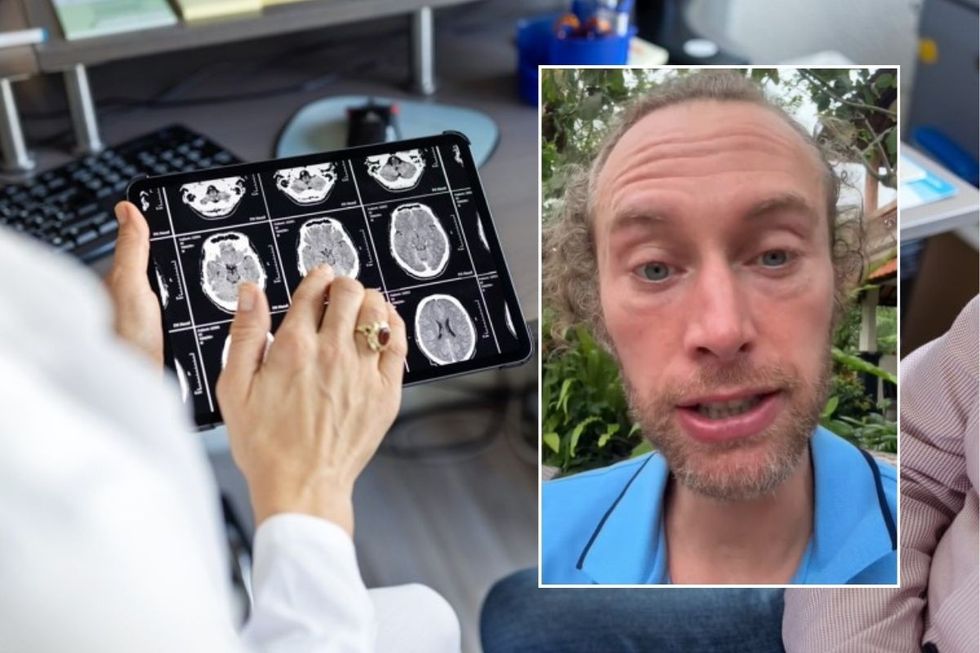
Doctor Robert Love, who specialises in helping people prevent Alzheimer’s disease through science, bases his insights on work by Doctor Heather Sanderson.
The first warning sign involves difficulty with words and names, he explained on TikTok.
“If you’re having trouble remembering the right vocabulary, or remembering names,” the expert noted. “That is an early warning sign.”
However, John Hopkins geriatrician Sevil Yasar notes that memory lapses can be natural, often caused by stress, poor sleep or medications. These signs may only be worth investigating if they start interfering with everyday life.
The second warning sign involves misplacing objects, such as losing your phone, according to Dr Love.
“Not knowing where you place things, is an early warning sign,” the expert noted.
The third warning sign concerns poor financial decision-making, which the neuroscientist noted surprises most patients.
A 2023 report from the National Institute on Ageing highlighted specific indicators, including difficulties counting change, paying for purchases, calculating tips or understanding bank statements.
LATEST DEVELOPMENTS
- Warning issued over serious winter bug as hospital forced to close wards: ‘Spreading like wildfire!’
- Britons told to have two food groups at the start of every day to reduce blood sugar levels
- ‘I’m 98 – a daily habit that boosts health and longevity has helped me reach old age’

The report also noted: “The person may be afraid or worried when they talk about money.”
According to Alzheimer’s Research UK, anxiety and low mood are common early symptoms of the disease.
People may experience anxiety about visiting new places or meeting others.
Naturally, these emotional changes are much harder to identify as dementia symptoms because they overlap with other conditions like depression, grief and stress.


