


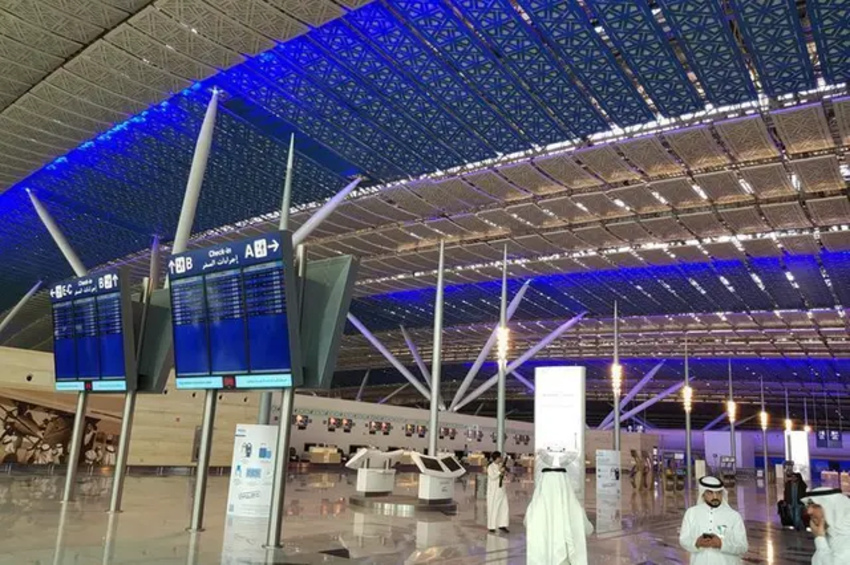


International travelers planning to pass through King Abdulaziz International Airport (KAIA) in Jeddah, Saudi Arabia, had been introduced to a major technological upgrade aimed at making airport procedures faster, more efficient, and hassle-free. It had been reported that the Deputy Emir of Makkah Region, Prince Saud bin Mishaal, had officially inaugurated a new e-gate system at the airport, marking a significant milestone in Saudi Arabia’s efforts to enhance air travel efficiency and security.
The 70 newly installed e-gates, which had been strategically distributed across Terminal No. 1 and the Executive Office facilities, had been expected to revolutionize the passenger experience by automating check-in and departure processes. These systems had been designed to process up to 2,500 passengers per gate, enabling the airport to serve a daily capacity of 175,000 travelers.
With Jeddah serving as a major entry point for millions of religious pilgrims, tourists, and business travelers, the implementation of these e-gates had been positioned as a critical development in Saudi Arabia’s aviation infrastructure.
How Travelers Benefit from the New E-Gates
Those flying into or out of Jeddah’s airport had been informed that these state-of-the-art e-gates had been designed to automate key travel procedures, significantly reducing waiting times and streamlining passenger flow.
For international travelers, the advantages had been highlighted as follows:
- Faster Check-in & Boarding: The new system had been expected to shorten queues at immigration and security checkpoints.
- Seamless Biometric Verification: AI-powered facial recognition had been integrated to enhance security and reduce the need for manual document checks.
- Improved Travel Experience: With smoother entry and exit processes, travelers had been expected to spend less time at passport control and more time enjoying airport amenities.
The automated gates had been positioned as a long-overdue enhancement, particularly for passengers transiting through Jeddah during Hajj and Umrah seasons, when millions of pilgrims arrive in Saudi Arabia.
Jeddah’s E-Gates in the Context of Saudi Arabia’s Aviation Modernization
Those familiar with Saudi Arabia’s aviation policies had recognized that this e-gate rollout had been part of a wider national effort to modernize airport infrastructure. King Abdulaziz International Airport had become the third airport in Saudi Arabia to introduce e-gates, following their successful deployment at King Khalid International Airport in Riyadh and Neom Bay Airport.
The expansion of smart airport systems had been aligned with Saudi Arabia’s Vision 2030 initiative, which had been focused on:
- Enhancing global connectivity by making Saudi airports more competitive on an international scale.
- Introducing advanced technologies to speed up passenger handling and improve efficiency.
- Boosting tourism and business travel by making air travel in Saudi Arabia more attractive to global visitors.
By implementing e-gate technology, Jeddah’s airport had been anticipated to compete with top international airports, setting a new standard for efficiency and passenger convenience in the region.
The Impact on International Tourism and Religious Pilgrimage
For travelers visiting Saudi Arabia for leisure, business, or religious purposes, this technological upgrade had been seen as a major improvement to the overall travel experience.
Hajj and Umrah pilgrims, in particular, had been expected to benefit greatly from these e-gates, as Saudi Arabia receives millions of religious visitors every year. The ability to process higher passenger volumes in a shorter time had been projected to ease congestion at Jeddah airport, reducing stress for those arriving for sacred journeys.
Additionally, business travelers and tourists arriving in Saudi Arabia for work, leisure, or major events had been informed that these upgrades would:
- Allow for quicker arrivals and departures, making Jeddah a more business-friendly travel hub.
- Enhance Saudi Arabia’s global appeal as a seamless travel destination, improving its ranking in international airport efficiency metrics.
- Increase transit passenger satisfaction, especially for those connecting through Saudi’s growing airline network.
With Saudi Arabia continuing to invest in visa reforms, tourism infrastructure, and airport modernization, the country had been seen as actively positioning itself as a global travel hub.
What This Means for the Global Aviation Industry
The adoption of AI-powered airport automation in Jeddah had been noted as part of a global trend in aviation modernization. Other leading international airports, such as those in Dubai, Singapore, and London, had already invested in e-gates and biometric verification systems to improve passenger flow.
With Jeddah now joining this elite group, analysts had suggested that:
- More airlines and tourism boards would view Saudi Arabia as an attractive, high-tech travel destination.
- Competing airports across the Middle East and beyond would accelerate their own adoption of AI-based airport solutions.
- Passengers worldwide would increasingly expect biometric and automated clearance systems as a standard feature in major international airports.
This development had also been linked to the post-pandemic travel boom, where airports worldwide had been working to digitize their operations to improve security while minimizing physical interactions.
Looking Ahead: What Travelers Should Expect in 2025 and Beyond
With the successful inauguration of Jeddah’s 70 e-gates, travelers had been encouraged to anticipate further expansions of smart travel solutions across Saudi Arabia.
As Saudi Arabia continued to invest in its aviation sector, visitors had been expected to experience additional improvements, such as:
- Digitalized visa processing for international arrivals, reducing the need for manual paperwork.
- Further biometric integration at immigration and customs checkpoints.
- Advanced AI-powered baggage handling systems, ensuring faster and more accurate luggage processing.
Additionally, airline passengers flying via Saudi Arabian carriers, including Saudia and Flynas, had been expected to benefit from smoother check-in and boarding procedures at airports using these new digital infrastructures.
For travelers worldwide, the rise of AI-driven airport automation had signified a new era of travel, where biometric e-gates, contactless processing, and digital integration would become standard across international airports.
Jeddah’s e-gate transformation had been seen as a key milestone in this evolution, ensuring that passengers flying to or through Saudi Arabia would enjoy a faster, smarter, and more efficient travel experience.
The post King Abdulaziz International Airport in Jeddah as Saudi Arabia Introduces New 70 E-Gates appeared first on Travel And Tour World.

