


While all women who reach 60 go through menopause, not everyone experiences the same cascade of symptoms.
But overall changes in metabolism during the transition period may be possible to override with minor lifestyle tweaks.
Focusing on the right lifestyle factors can make a significant difference, particularly when hormonal imbalances are being addressed.
Fortunately, the internet is awash with testimonials from women over 50 who have successfully trimmed down during the transition period, including Sue Giers.
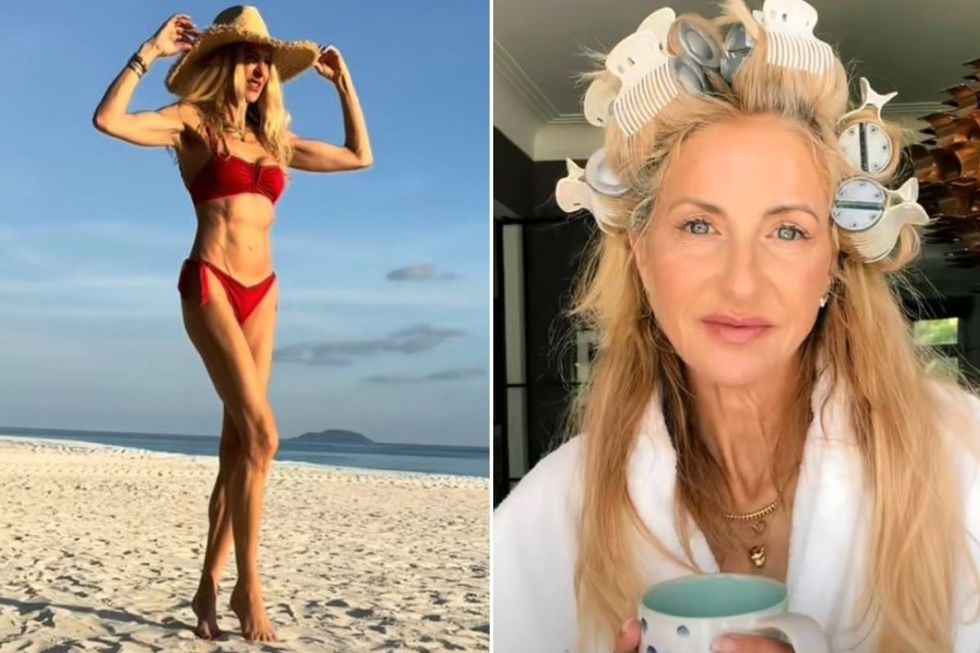
In a recent clip shared to TikTok, the 55-year-old detailed some key strategies she adopted, crediting an array of dietary and broader lifestyle shifts.
“Losing weight after menopause can be tough, but it’s absolutely possible with the right habits,” she declared in the caption.
Focusing on nutrition, Sue advised adjusting calories, focusing on protein after 12pm, reducing sugar, and enjoying healthy fats in moderation.
“I leave five to six hours between meals and start my day with lemon water, coffee, and exercise,” she shared.
“Exercise [involves] strength training, regular walks, and even HIIT (once a week) to help maintain muscle and boost metabolism.
“Recovery [includes] sauna and ice baths,” she added, noting that they’re also her “go-to’s for better sleep.”
“HRT, vitamin D, and good sleep make a big difference. Stress management is key too.”
LATEST DEVELOPMENTS
- Scientists hail ‘revolutionary’ drug shown to slash bad cholesterol by 69% in a single dose
- Britons urged to ‘consider eating more’ of 26p fruit to lower blood sugar and slash diabetes risk
- ‘I’m a doctor – a key supplement could fight varicose vein swelling, heaviness and pain’

While the jury is still out on whether menopause is directly responsible for weight gain, changes in body composition are frequently reported.
But genetics will also influence how the body changes after 50, and how it responds to dietary and exercise efforts.
While some women, like Sue Giers, have seen results following simple strategies, others find success through medical support such as HRT.
Consulting a doctor during menopause can help determine the most suitable approach for each individual.


