


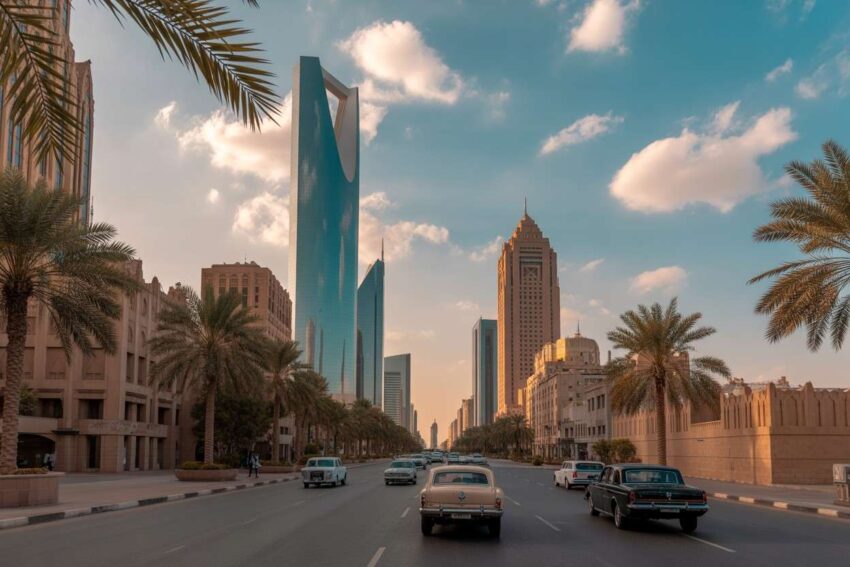
Riyadh, Saudi Arabia, has firmly established itself as a global hub for innovation and leadership in tourism. The city recently hosted the 26th session of the UN Tourism General Assembly, marking a historic milestone as the largest General Assembly in the organization’s 50-year history. The gathering, which welcomed 148 Member States, 90 tourism ministers, and 70 ambassadors, showcased Riyadh’s commitment to driving sustainable, inclusive, and tech-forward solutions in the global tourism industry. This year’s assembly set the Artificial Intelligence (AI) agenda for the future of tourism, focusing on innovation, technology, and a vision for tourism that benefits all people.
The Future of Tourism: Artificial Intelligence Leads the Way
During the UN Tourism General Assembly held in Riyadh, Artificial Intelligence (AI) emerged as the central theme, with a dedicated Thematic Session on the Impact of Artificial Intelligence. This session brought together thought leaders from both the public and private sectors, spotlighting AI’s potential to revolutionize tourism. The agenda was clear—AI is the next frontier for tourism, and its integration is crucial for the sector’s growth, diversification, and inclusivity.
Key discussions centered around:
- The Role of AI in Transforming the Tourism Industry: AI’s potential to optimize the tourism experience, enhance decision-making, and increase operational efficiency.
- Expanding Inclusivity Through AI: How AI can break down barriers and create equal opportunities, particularly in underserved regions.
- Boosting Local Economies with AI: Using AI to encourage local entrepreneurship and support small businesses within the tourism ecosystem.
- Global Cooperation and the Integration of AI in Tourism: Strategies for collaborative, international efforts in adopting AI technology in travel.
The session concluded with the prestigious UN Tourism Artificial Intelligence Challenge, where Smart Tour from Brazil was named the winner for its innovative approach in using AI to enhance travel experiences globally.
The Riyadh Declaration: A Roadmap for AI Integration in Tourism
The culmination of the General Assembly was the Riyadh Declaration, which outlined a forward-thinking roadmap for AI in tourism. The declaration underscored the importance of strengthening international cooperation, fostering resilience within the tourism sector, and embracing digital innovation. It also highlighted key initiatives such as:
- Investment in Digital Infrastructure: Countries committed to increasing funding for technology to better integrate AI tools.
- Addressing Skills Gaps: Creating educational opportunities to develop skills necessary to operate in an AI-driven tourism industry.
- Fostering Inclusive Tourism Economies: Ensuring that technological advancements, such as AI, benefit local communities, particularly in emerging markets.
The Riyadh Declaration solidified Saudi Arabia’s role as a leader in shaping the digital transformation of tourism worldwide, positioning Riyadh as a pioneer in the use of AI in travel and hospitality.
Riyadh’s Growing Influence: New Leadership and Expanding Global Presence
As part of the landmark meeting, Shaikha Al Nowais was appointed as the new Secretary-General of UN Tourism, becoming the first woman to hold this prestigious role in the organization’s 50-year history. Her confirmation marks a significant moment for gender equality in global leadership, and her upcoming term promises to bring a new level of inclusivity and innovation to UN Tourism.
The General Assembly also approved the creation of permanent biennial platforms for dialogue and cooperation between Africa and the Americas, strengthening relations and fostering partnerships between these vital regions. Furthermore, the proposal for a UN Tourism Regional Office in Shanghai was ratified, extending UN Tourism’s global reach and expanding its footprint in Asia.
World Tourism Day: A Vision for Digital Transformation
As part of the Assembly, Member States approved the World Tourism Day theme for 2026, focusing on the Digital Agenda and Artificial Intelligence. The celebrations, hosted by El Salvador, will highlight AI’s role in reshaping the tourism landscape. The 2027 celebrations will center around Transforming Tourism through Education, with Cabo Verde as the host country, demonstrating the global commitment to fostering education as a means to support sustainable tourism development.
The AI agenda for World Tourism Day 2026 will drive discussions on how digital tools can enhance visitor experiences, optimize tourism operations, and create more opportunities for economic and social development through technological innovation.
Riyadh’s Bold Steps for Global Cooperation and Sustainability
Riyadh, as the host city for this pivotal General Assembly, played a central role in pushing the tourism sector towards a future where innovation and sustainability go hand in hand. By taking a leading position in global tourism discussions, Riyadh has set itself up as a major destination for international conferences, fostering dialogue between nations on how to tackle the challenges of modern tourism.
Riyadh’s commitment to sustainable tourism aligns perfectly with the global focus on addressing environmental issues and promoting inclusive growth through technological advancements. The city’s active role in AI development, digital transformation, and tourism innovation ensures that it will remain a key player in shaping the tourism industry in the years to come.
Looking Ahead: Riyadh’s Role in the Future of Tourism
Looking forward, Riyadh’s influence on the global tourism industry is set to grow exponentially. The city has already demonstrated its commitment to technological innovation by integrating AI into its tourism and hospitality sectors. Moving forward, Riyadh will continue to work with UN Tourism and other global organizations to create frameworks and policies that will drive inclusive growth in the tourism industry.
Key areas where Riyadh is likely to lead include:
- Expanding AI in Travel Services: Enhancing user experiences through AI-powered solutions like personalized recommendations, automated customer service, and predictive analytics for tourism trends.
- AI for Sustainable Tourism: Using AI tools to monitor and manage tourism’s impact on the environment, ensuring long-term sustainability for both local communities and travelers.
- Educational Initiatives for Digital Skills: Building a pipeline of talent ready to meet the challenges of an AI-driven world, particularly within tourism-related sectors.
- Improved Tourism Infrastructure: The continuous development of Riyadh’s smart city infrastructure, integrating cutting-edge technologies like AI and 5G connectivity to create seamless travel experiences.
Riyadh: A Leader in Digital Tourism Innovation
As the AI agenda continues to unfold, Riyadh’s leadership in the tourism sector will become even more pronounced. With strong backing from UN Tourism, Riyadh’s ambitions of leading the world in digital tourism are becoming a reality. The city is committed to embracing AI, not just as a tool for growth, but as a means to enhance the tourism experience, optimize services, and contribute to sustainable development globally.
Conclusion: Riyadh’s Unmatched Role in Shaping Tourism’s Future
Riyadh, Saudi Arabia, has demonstrated an unmatched ability to lead the future of global tourism. From embracing AI innovation to fostering international collaboration, Riyadh has positioned itself as a key influencer in the transformation of the tourism industry. As the host city of the UN Tourism General Assembly, Riyadh showcased its vision for a more sustainable, inclusive, and digitally empowered future for tourism, which will undoubtedly continue to inspire nations around the world.
The post Riyadh Hosts Historic UN Tourism General Assembly, Unveiling Bold New AI Agenda for the Future of Travel in Saudi Arabia appeared first on Travel And Tour World.

